
Close Menu
  • Coins
    • Bitcoin
    • Ethereum
    • Altcoins
    • NFT
  • Blockchain
  • DeFi
  • Metaverse
  • Regulation
  • Other
    • Exchanges
    • ICO
    • GameFi
    • Mining
    • Legal
  • MarketCap
What's Hot

Exodus swings to $18.6M Q2 net loss as revenue edges up 2%

04/09/2026

Stablecoin identification rules could skip 99% of all transactions

04/09/2026

Pump.fun-Linked Wallet Moves $6.3M in SOL to Kraken in First Major Exchange Deposit in a Week

04/09/2026
Facebook X (Twitter) Instagram
  • Back to NBTC homepage
  • Privacy Policy
  • Contact
X (Twitter) Telegram Facebook LinkedIn RSS
NBTC News
  • Coins
    1. Bitcoin
    2. Ethereum
    3. Altcoins
    4. NFT
    5. View All

    Bitcoin slides 2% after U.S. close while Korea’s Kospi plunges 10%

    04/09/2026

    Schwab’s Jim Ferraioli Explains His $95,000 Estimate

    04/09/2026

    Bitcoin Could Drop to $39K Before Bottom, Analyst Warns

    04/09/2026

    Bitcoin Slips to $63,000 as New Quantum Milestone by AT&T Shortens ‘Q-Day’ Countdown

    04/09/2026

    Ethereum Could Be Entering a New Bullish Cycle—How High Can the ETH Price Go in 2026?

    04/09/2026

    Can the FED Send Cryptocurrencies Soaring? Arthur Hayes Answers, Revealing His New Target for Ethereum (ETH)!

    04/09/2026

    The Chart Is Starting to Point Toward $3K

    04/09/2026

    Ethereum price holds $2,400 as RSI stays bearish

    04/09/2026

    XRP ETPs Pull In $253.6M as XRPL Stablecoins Surge 195% in Q2

    04/09/2026

    XRP Sees ‘Rush Hour’ Activity as London and New York Markets Overlap

    04/09/2026

    “Volume and Price Exploded, Interest is at Rock Bottom!” What Does It…

    04/09/2026

    Injective receives SEC transfer agent registration for institutional services arm

    04/09/2026

    Kento’s Digital Art Cards Hit 2,000% of Kickstarter Goal in 24 Hours

    04/09/2026

    Cardano Founder Criticizes TapTools Relaunch

    03/09/2026

    Cardano Firm TapTools Scraps Revival NFT Sale After Community Backlash

    03/09/2026

    What are NFTs and do non-fungible tokens still matter in 2026?

    02/09/2026

    Exodus swings to $18.6M Q2 net loss as revenue edges up 2%

    04/09/2026

    Stablecoin identification rules could skip 99% of all transactions

    04/09/2026

    Pump.fun-Linked Wallet Moves $6.3M in SOL to Kraken in First Major Exchange Deposit in a Week

    04/09/2026

    Centrifuge and LI.FI Partner to Expand Cross-Chain Access to Tokenized Assets

    04/09/2026
  • Blockchain

    Centrifuge and LI.FI Partner to Expand Cross-Chain Access to Tokenized Assets

    04/09/2026

    11.3 Million Tokens Still Stuck on the Deadline

    04/09/2026

    GoPro’s Tokenized Shares Go Live on Solana, Boosting DeFi

    04/09/2026

    Banks Explore Tokenized Deposit Networks

    04/09/2026

    Blockchains Face Trilemma Challenges, Glassnode Analyzes

    04/09/2026
  • DeFi

    Solana Welcomes Fasanara Capital’s Onchain Credit Strategy

    04/09/2026

    Sui Basecamp Welcomes AlphaFi as Diamond Sponsor

    04/09/2026

    RealFi Announces Date for Its Mainnet Launch on Cardano

    04/09/2026

    Market Uncertainty Prompts New Liquidity

    04/09/2026

    Curve Hands Its Risk Mandate To Two Resupply Developers

    04/09/2026
  • Metaverse

    Is Solana Gaming Back? Kintara Activity Fuels Renewed Optimism in Onchain MMOs

    24/06/2026

    The Sandbox launches AI game engine ‘The Sandbox Studio’ for next-generation creators

    10/06/2026

    Meta commits $13M in funding for Oversight Board through 2028

    29/05/2026

    Why Animoca’s Yat Siu says the future is 100 billion AI agents

    07/05/2026

    ‘8,000 Jobs’—Polymarket Sees Tech Layoff Surge As Meta AI Push Bites

    18/04/2026
  • Regulation

    Exodus swings to $18.6M Q2 net loss as revenue edges up 2%

    04/09/2026

    Bitwise Research Head Explains Stablecoin Market Could Reach Record Levels in the Coming Years!

    04/09/2026

    Nvidia’s $500 billion AI infrastructure push leaves crypto compute further behind

    04/09/2026

    Coinbase picks Abu Dhabi for its global tokenized asset push

    04/09/2026

    EToro to buy TradeZero as Q2 crypto revenue falls 30%

    04/09/2026
  • Other
    1. Exchanges
    2. ICO
    3. GameFi
    4. Mining
    5. Legal
    6. View All

    Pump.fun-Linked Wallet Moves $6.3M in SOL to Kraken in First Major Exchange Deposit in a Week

    04/09/2026

    ASTER Could Be a Bigger Beneficiary of U.S. Perp DEX Rules — Here’s What Traders Should Watch

    04/09/2026

    207 Billion SHIB Netflow Sparks Recovery

    04/09/2026

    MoonPay Adds Cash App Pay for US Crypto Purchases

    04/09/2026

    ICO market slows sharply with only six completions in 2026

    30/04/2026

    South Korea Poised to Lift Ban on Domestic ICOs After 7 Years

    19/12/2025

    Why 2025’s Token Boom Looks Both Familiar and Dangerous

    31/10/2025

    ICO for bitcoin yield farming chain Corn screams we’re so back

    22/01/2025

    Top 12 NFT games every player should know about in August 2026

    19/08/2026

    GameShame Studios founder details Raijin Protocol’s roadmap in NeoPod’s sixth AMA

    13/08/2026

    How BC.GAME is turning players into stakeholders

    04/08/2026

    YGG Play Shuts Down Services as Yield Guild Pivots to AI Data

    01/08/2026

    Marathon Mines 670 Bitcoin In August As Treasury Reaches 25,000 BTC

    04/09/2026

    Zcash Price Spike Fuels Massive Mining Profits and Hashrate Boom

    04/09/2026

    Cango’s EcoHash Starts Commercial GPU Compute at Georgia Site

    04/09/2026

    Bitcoin Hashrate Enters First Bear Market as AI Pulls Miners Away

    03/09/2026

    Stablecoin identification rules could skip 99% of all transactions

    04/09/2026

    Crypto Fund Founder Convicted of Fraud Over Fake Trading Bot

    04/09/2026

    Is Regulation the Bigger Risk?

    04/09/2026

    Lawyers for Tate brothers say crypto wealth is exaggerated

    04/09/2026

    Exodus swings to $18.6M Q2 net loss as revenue edges up 2%

    04/09/2026

    Stablecoin identification rules could skip 99% of all transactions

    04/09/2026

    Pump.fun-Linked Wallet Moves $6.3M in SOL to Kraken in First Major Exchange Deposit in a Week

    04/09/2026

    Centrifuge and LI.FI Partner to Expand Cross-Chain Access to Tokenized Assets

    04/09/2026
  • MarketCap
NBTC News
Home»Legal»Stablecoin identification rules could skip 99% of all transactions
Legal

Stablecoin identification rules could skip 99% of all transactions

NBTCBy NBTC04/09/2026No Comments6 Mins Read
Share
Facebook Twitter LinkedIn Pinterest Email


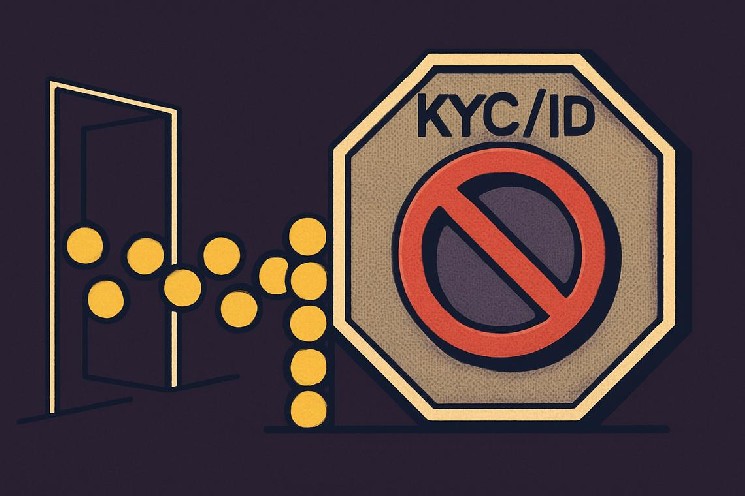
Five federal banking regulators want stablecoin issuers to know exactly who their customers are, but the crypto industry’s biggest lobbying group says that requirement should stop at the issuer’s front door. The Blockchain Association has told U.S. agencies that stablecoin identification rules should apply only when an issuer directly onboards a customer, not when tokens change hands afterward on the open market.

Key takeaways

  • Five federal agencies — FinCEN, the OCC, the Federal Reserve, the FDIC and the NCUA — jointly proposed customer identification standards for payment stablecoin issuers in June 2026.
  • Issuers would need to collect names, addresses, birth or formation dates, and identification numbers before opening an account.
  • The Blockchain Association wants peer-to-peer stablecoin transfers excluded, arguing issuers don’t control or facilitate those transactions.
  • Regulators estimate roughly 99% of stablecoin transaction activity happens in secondary markets, outside direct issuer oversight.
  • Final rules would take effect 12 months after publication, while the $GENIUS Act’s broader licensing framework kicks in on January 18, 2027.

U.S. Regulators Propose Stablecoin Customer Identification Rules

The proposal at the center of this debate came from five agencies acting together: FinCEN, the Office of the Comptroller of the Currency, the Federal Reserve, the Federal Deposit Insurance Corporation and the National Credit Union Administration. In June 2026, they jointly floated a customer identification program tailored to permitted payment stablecoin issuers, treating them as financial institutions under the Bank Secrecy Act — a designation that follows directly from the $GENIUS Act.

The Blockchain Association filed its formal comments by the August 21 deadline and laid out its position publicly on August 24. The group broadly backed the framework but pushed for tighter definitions, protection against duplicated paperwork, and room for newer verification technology.

Five Agencies, One Compliance Standard

Under the draft rule, an issuer would generally gather a customer’s name, address, date of birth or formation, and identification number before letting them open an account. From there, the issuer would rely on documentary or non-documentary checks to build a reasonable belief that it actually knows who that customer is. Those records would need to stay on file for five years after an account closes, with verification records held for five years from the date they were created.

Where Blockchain Association Draws the Line

The core of the industry’s pushback is about scope. Blockchain Association supports identity checks at the primary market level — where issuers interact directly with customers — but wants regulators to explicitly rule out extending those same checks to independent transfers between users.

Primary Market Yes, Peer-to-Peer No

The group agreed the identification program should apply whenever an issuer maintains a direct customer relationship: issuing, redeeming, converting, repurchasing, or providing custody for a payment stablecoin all count. But it drew a firm boundary around transactions that happen without the issuer’s involvement.

“They should not extend to downstream, peer-to-peer stablecoin transactions,” the Association argued, even though regulators haven’t yet locked in that boundary. The agencies’ own draft leans the same way — simply owning or controlling an issuer’s stablecoin doesn’t create an “account,” and a transfer that only touches an issuer through its smart contract would generally sit outside the proposed rule.

Secondary Markets Dominate Stablecoin Activity

This is where the numbers matter most. Regulators themselves estimate that approximately 99% of stablecoin transaction activity occurs in secondary markets — transfers from self-hosted wallets, purchases through intermediaries, exchange trades, and direct payments to vendors. That single figure explains why the Blockchain Association is fighting so hard over definitions: if identity checks reached even a fraction of that volume, issuers would face verification obligations for activity they can’t realistically monitor or control.

The agencies appear to acknowledge this limitation directly, noting that issuers generally lack the ability to identify people using their tokens when there’s no direct interaction between the two. That’s a meaningful admission, and it suggests the final rule is likely to preserve some version of the primary-market/secondary-market split the industry is requesting — though the exact wording remains unsettled.

Timeline and Unresolved Questions

Once published in final form, the customer identification rule would give issuers 12 months to come into full compliance. No final publication date has been set yet. Meanwhile, the broader $GENIUS Act framework is still on track to start restricting unlicensed payment stablecoin issuance across the U.S. on January 18, 2027 — and regulators have already missed the law’s original rulemaking deadline, which has compressed the runway issuers have to prepare.

Digital Identity and Duplicate Compliance Concerns

Two open issues could shape how burdensome the rule turns out to be in practice. First, Blockchain Association asked regulators to preserve flexibility for digital identity verification tools and interoperable credentials, rather than locking issuers into traditional documentary checks. The proposal already permits both documentary and non-documentary verification methods, and it specifically asks the public whether the final text should address digital identities or verifiable credentials outright.

Second, the group wants protection against duplicated compliance work. Stablecoin issuers routinely interact with banks, exchanges and other regulated entities that already run their own customer checks. The draft rule lets an issuer rely on identification work done by another federally regulated institution, provided that reliance is reasonable, backed by a contract, and certified annually — though the issuer itself stays on the hook for compliance. Blockchain Association is asking regulators to spell out exactly how that reliance arrangement works across affiliates, intermediaries and state-regulated entities, so companies aren’t paying twice for the same verification.

Regulators must still finalize core definitions — “account,” “customer,” and “digital asset service provider” among them — before the rule takes effect. Those definitions, along with how issuers are expected to handle direct redemptions and third-party reliance, will ultimately decide how much extra compliance work stablecoin companies face heading into the $GENIUS Act’s enforcement date.

FAQ

What are the main requirements for stablecoin issuers under the proposed $GENIUS Act rules?

Issuers must collect and verify customer names, addresses, birth or formation dates, and identification numbers before account creation.

Do the proposed identification rules apply to peer-to-peer stablecoin transfers?

No. The Blockchain Association and the agencies propose to exclude peer-to-peer stablecoin transfers from ID requirements, since they are treated as secondary-market activity.

When will the stablecoin identification rules under the $GENIUS Act come into effect?

Final stablecoin ID rules will take effect twelve months after they are published, while the $GENIUS Act’s broader enforcement begins January 18, 2027.

What is the role of digital identity verification in the proposed rules?

The proposal allows flexibility for digital identity tools and specifically asks for public feedback on whether the final rule should explicitly address digital identities or verifiable credentials.

Article produced with the assistance of artificial intelligence and reviewed by the editorial team.

Share. Facebook Twitter Pinterest LinkedIn Tumblr Email
NBTC

NBTC is the editorial account for NBTC News, covering Bitcoin, Ethereum, DeFi, blockchain infrastructure, exchanges, mining, regulation and digital asset markets. The editorial team focuses on clear sourcing, timely updates and practical context for crypto readers.

Related Posts

Crypto Fund Founder Convicted of Fraud Over Fake Trading Bot

04/09/2026

Is Regulation the Bigger Risk?

04/09/2026

Lawyers for Tate brothers say crypto wealth is exaggerated

04/09/2026

Nebraskans Set to Vote on Betting Markets With Kalshi Looming

04/09/2026
Add A Comment

Comments are closed.

Top Posts
Get Informed

Subscribe to Updates

Get the latest news from NBTC regarding crypto, blockchains and web3 related topics.

Your source for the serious news. This website is crafted specifically to for crazy and hot cryptonews. Visit our main page for more tons of news.

We're social. Connect with us:

Facebook X (Twitter) LinkedIn RSS
Top Insights

Exodus swings to $18.6M Q2 net loss as revenue edges up 2%

04/09/2026

Stablecoin identification rules could skip 99% of all transactions

04/09/2026

Pump.fun-Linked Wallet Moves $6.3M in SOL to Kraken in First Major Exchange Deposit in a Week

04/09/2026
Get Informed

Subscribe to Updates

Get the latest news from NBTC regarding crypto, blockchains and web3 related topics.

Type above and press Enter to search. Press Esc to cancel.