

NFTs, or non-fungible tokens, are unique digital assets that exist on a blockchain. Unlike a typical crypto token, where each unit is interchangeable with another, NFTs can represent ownership of a specific digital item, whether that is artwork, a collectable, or an in-game asset. Gaming has become one of the more natural use cases for the technology, with NFTs being used to represent characters, weapons, skins, land and other items that players can collect or trade. This gives digital items a sense of ownership that traditional games generally do not offer, where assets typically remain tied to a player’s account and have no value outside the game’s own ecosystem.
The combination of NFTs and gaming has also helped bring the crypto and gaming industries closer together. $NFT games can give players ways to earn, trade, or otherwise use digital assets as part of the gameplay experience, while blockchain technology provides the infrastructure for these transactions. With that said, here are the top 12 $NFT games every player should know about in August 2026.
1. Pixels
Pixels is a farming-focused MMO where players can farm, craft, complete quests, manage their own homesteads, and interact with other players through guilds and community activities. The game is free to play and runs in a browser on the Ronin blockchain, making it fairly easy to get started without needing expensive hardware or a large collection of NFTs.
The PIXEL token is part of the game’s economy and can be earned through activities such as quests and orders, while players can also trade items through the marketplace. Land ownership adds another element to the game, with Farm Land NFTs allowing owners to earn commissions when other players use their land for farming. There are 5,000 Farm Land NFTs in total, while pet NFTs and integrations with more than 80 $NFT collections give players additional ways to customise their in-game characters and use assets they already own. With its simple pixel-art style and strong social elements, Pixels offers a more relaxed approach to blockchain gaming than many of the competitive titles in the space.
2. The Sandbox
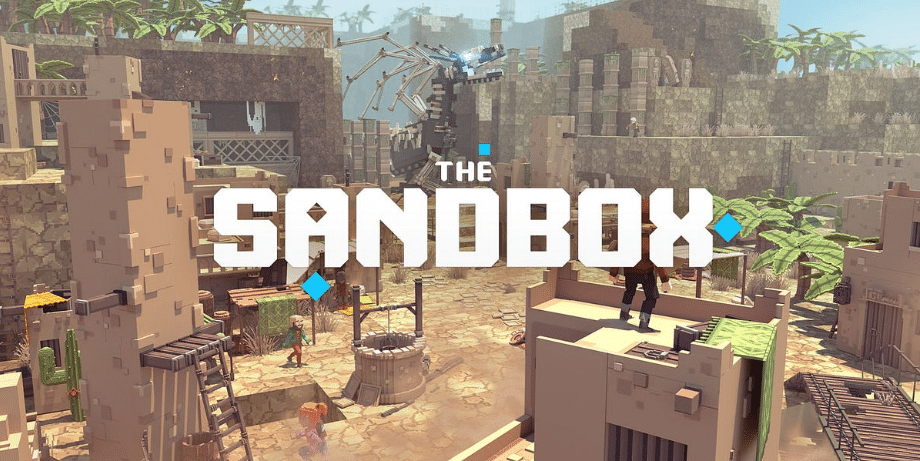
The Sandbox is a virtual community where players can create, own, and monetise their own experiences. Rather than following a fixed storyline, the platform gives users the tools to build games, interactive spaces, and digital assets. Its Game Maker tool lets users create experiences without needing to know how to code, while VoxEdit can be used to create voxel-based assets. LAND is another important part of the platform, with each parcel represented as an $NFT that can be bought, sold, rented, or developed.
The SAND token is used for transactions across The Sandbox, including buying digital assets and LAND, as well as staking and governance. There are several ways to generate value from the platform, from creating and selling NFTs to hosting experiences or renting out LAND. Some parcels have also attracted major brands, including Gucci and Warner Music, which have used the virtual world for branded experiences and events.
3. Alien Worlds
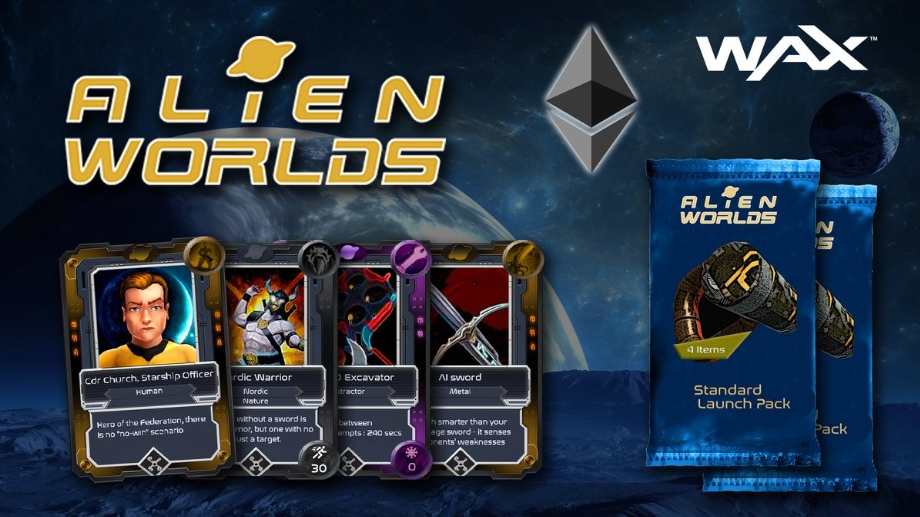
Alien Worlds is a space-themed metaverse where players can mine resources, collect NFTs, and take part in the governance of different planets. However, players mine Trilium (TLM), which is usually done with different $NFT tools that affect how much players can earn. The game runs across WAX, Ethereum, and $BNB Chain, and its planets each have their own DAO. Players can stake TLM to gain voting power and have a say in how a planet’s treasury is managed.
There is also plenty of room for players who want to do more than mine. Land NFTs can be used to collect rewards from other players mining on them, while staking TLM can provide additional rewards alongside governance rights. The game has also expanded beyond its mining system with activities such as Thunderdome battles. This layered approach means casual players can stick to basic mining, while those who want a bigger role can get involved in land ownership, staking, and planetary decision-making.
4. Axie Infinity
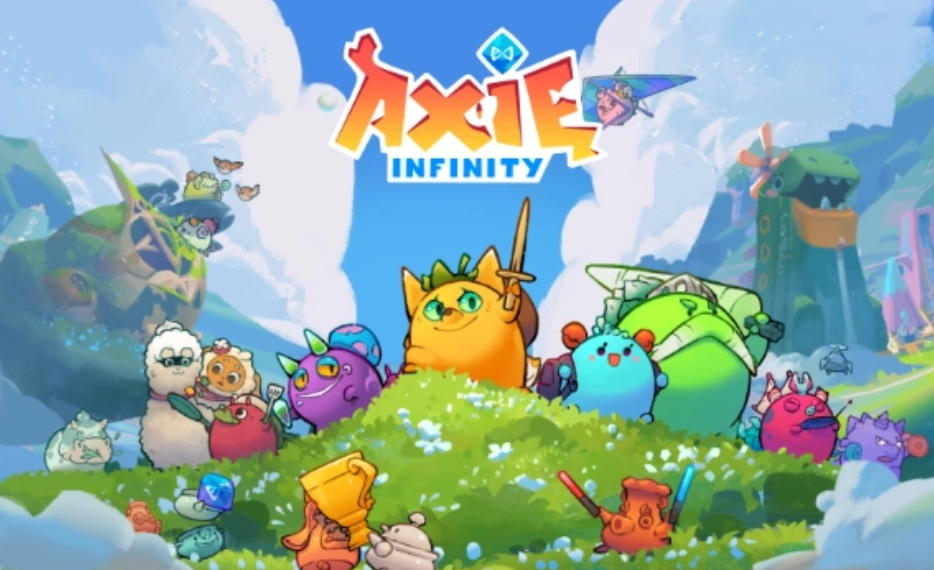
Axie Infinity is a strategy game where players take turns to collect, breed, and battle creatures called Axies. Each Axie is an $NFT with its own traits and abilities, so building a strong team is a big part of the game. Battles are based on strategy, with different elements having advantages and disadvantages against each other. This makes team selection important, as the right combination of Axies can make a big difference in a match.
Players can earn Smooth Love Potion (SLP) through battles, while Axie Infinity Shards (AXS) are used across the game’s wider economy and can be earned through activities such as tournaments and breeding. Breeding is another major part of the game, as players can create new Axies that inherit traits from their parents and potentially sell desirable ones on the marketplace. The game runs on the Ronin sidechain, which keeps transactions faster and cheaper than they would be on Ethereum. Axie Infinity’s economy is nowhere near the highs it reached during the 2021 play-to-earn boom, but the game is still one of the better-known names in blockchain gaming, with an established community and continued development.
5. Decentraland
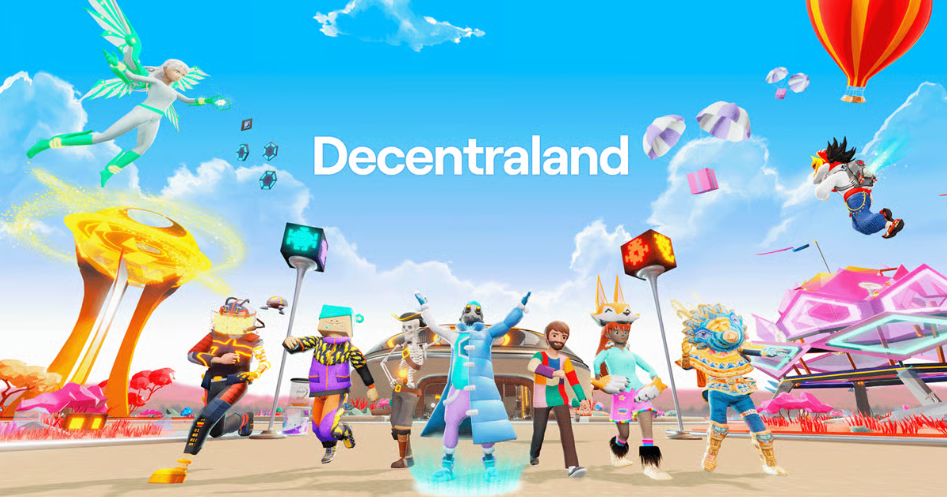
Decentraland is a virtual world where users control their own digital assets. Built on Ethereum, the platform revolves around LAND, with each parcel represented as an $NFT that owners can develop, sell, or rent. Users can build everything from art galleries and games to shops and other interactive spaces, while its builder tools allow people to create 3D experiences without having to be experienced programmers.
MANA is the platform’s native token and is used for buying LAND and other digital items, as well as participating in governance through the Decentraland DAO. Owners can also use their LAND to host events, sell digital goods, or create experiences that other users can visit. With 90,601 LAND parcels in total, location can also play a role in how much attention a particular piece of virtual property receives.
6. Star Atlas
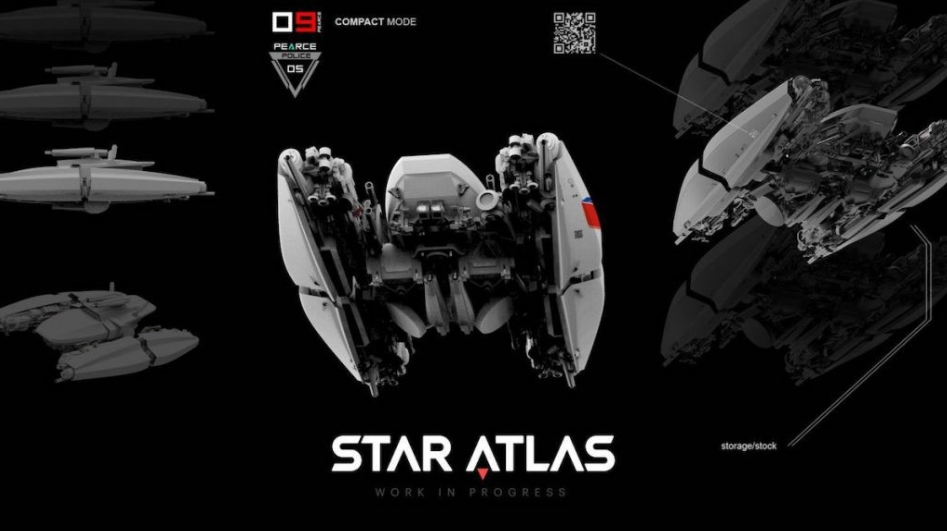
Star Atlas is a space-themed game built around exploration, resource gathering, and combat. The game uses Unreal Engine 5, which gives it a much more detailed look than most blockchain games, and runs on Solana. Players can explore different parts of the game world, mine resources, craft items, and fight other players, with ships, land, and equipment represented as NFTs that can be traded.
The game’s economy is built around two tokens: ATLAS, which is used for buying and selling things within the game, and POLIS, which gives players a say in governance. Star Atlas also has three different factions that compete for territory, with guilds playing a role in larger battles and conflicts. The full game is still being developed, but SAGE Labs already gives players a browser-based way to experience some of its strategy gameplay. With its mix of space exploration, trading, and combat, Star Atlas is one of the more ambitious projects in the blockchain gaming space.
7. Gods Unchained
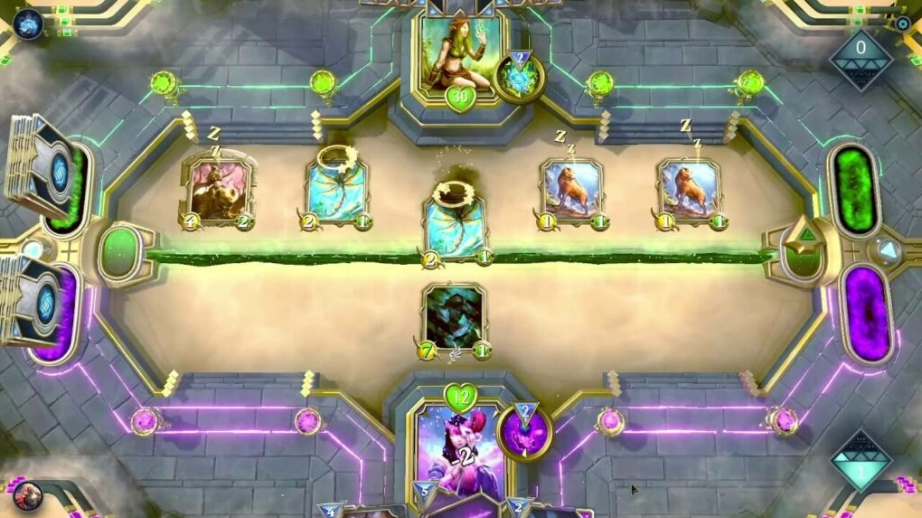
Gods Unchained is a competitive digital card game that brings the nostalgia of trading cards to the crypto gaming world. Players build decks of different gods, each with their own abilities, and battle opponents in turn-based matches where card combinations, timing, and resource management all matter. The game is free to play, with new players receiving a set of cards to get started, so there is no need to buy NFTs before playing.
Players can earn GODS tokens through ranked games, daily quests, and special events, while valuable cards can also be traded on the marketplace. The Forge is one of the game’s more interesting features, allowing players to combine duplicate core cards and turn them into tradable $NFT cards. Since the value of individual cards can change depending on their rarity and usefulness in the current meta, building a strong collection can be just as important as learning how to play. Gods Unchained runs on Immutable X, which allows players to trade its $NFT cards without the usual Ethereum gas fees.
8. CryptoBlades
CryptoBlades is quite a simple RPG where players take on enemies in quick battles, forge weapons, and earn SKILL tokens. Combat uses an elemental system, with certain elements having an advantage over others, so choosing the right weapon for each fight can affect the outcome. Characters and weapons are represented as NFTs, and stronger weapons can help players earn more from successful battles.
The game is available across several blockchains, including $BNB Chain, Polygon, and Avalanche. Players can buy and sell characters and weapons through the Bazaar marketplace, which gives them a way to change their setup without having to start over. SKILL can also be staked, while the game’s Oracle system is designed to adjust rewards based on the token’s value.
9. Splinterlands
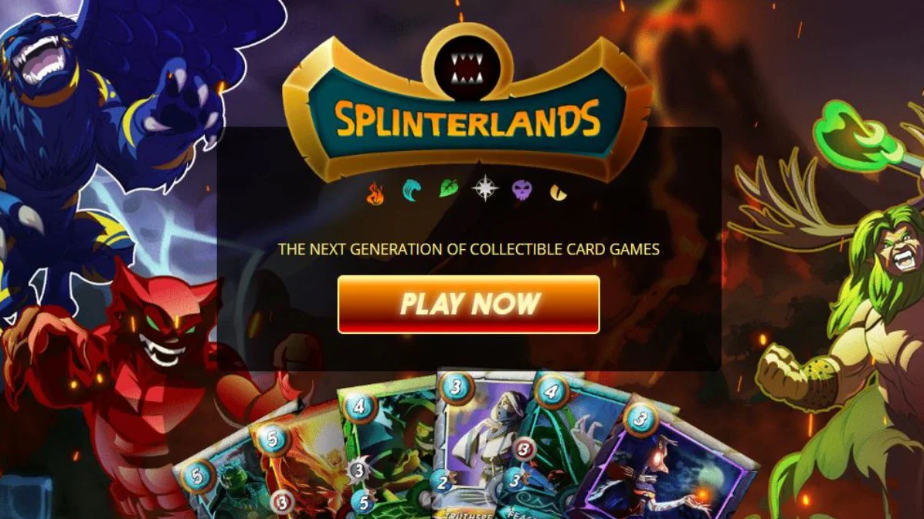
Splinterlands is a digital trading card game where players build teams of $NFT cards and put them up against other players in turn-based battles. Each card belongs to one of several elements, known as Splinters, and comes with its own stats and abilities. The battles themselves are automated, but there is plenty of strategy involved before they begin. Players have to work within mana limits and match-specific rules while choosing cards that work well together, so knowing which cards to use can be just as important as having a strong collection.
Players can earn rewards through ranked matches, tournaments, and daily quests, with Dark Energy Crystals (DEC) serving as one of the game’s main reward tokens. Splintershards (SPS) are another important part of the ecosystem, giving players access to staking and governance. There is also an active card rental market, where players can rent cards they need for battles or lease out their own cards to other players. This makes Splinterlands fairly accessible to newcomers, while the depth of its card system gives more experienced players plenty to learn as they get deeper into the game.
10. Illuvium
Illuvium is an open-world RPG where players explore an alien world, capture creatures known as Illuvials, and use them in battles or trade them as NFTs. One of the game’s biggest draws is its presentation. Built with Unreal Engine, Illuvium has a level of visual polish that is closer to what players might expect from a mainstream PC game than many other blockchain titles.
The game runs on Ethereum via Immutable X, which supports its $NFT-based economy without the gas costs of regular Ethereum transactions. Illuvials can be captured, fused to create stronger creatures and traded, while the ILV token is used across the wider ecosystem and for staking and governance. Illuvium has also expanded into several connected games, including Arena, Overworld, Zero and Beyond, each offering a different type of gameplay. With a free-to-play model already introduced, the project is also looking to attract players who may not have any previous experience with crypto or NFTs.
11. Wreck League
Wreck League takes a different approach to blockchain gaming, focusing on mech battles rather than farming tokens or building virtual property. Players put together their own fighters using different $NFT mech parts, with each part affecting the mech’s stats and abilities. That means building the right combination is an important part of the game, since a well-made mech can give players an edge once the fighting starts.
The game also has a free-to-play Web2 version, so players can get into the battles without having to buy or use NFTs. This makes Wreck League feel more like a traditional multiplayer fighting game, with daily missions, battle passes and skill-based combat forming much of the experience. Its links to Animoca Brands and Yuga Labs have also helped bring some attention to the game outside the usual blockchain gaming crowd.
12. Big Time
Big Time is an action RPG that focuses more on the quality of the game rather than its $NFT economy. The game involves a mix of hack-and-slash combat, crawling through dungeons, collecting loot, and crafting, as players can explore different time periods and take on procedurally generated dungeons with other players. One of its more notable features is that NFTs are mainly used for cosmetics rather than giving players stronger weapons or other advantages, so spending more money does not automatically mean having an advantage in combat.
The game is free to play, allowing players to try it without buying NFTs first. Its economy centres around the BIGTIME token, which can be earned through Hourglass drops, as well as cosmetic collectables that can be traded through the marketplace. SPACE NFTs act as personal areas within the game’s metaverse, giving owners a place to craft items, set up shops, and customise their own space. This gives the $NFT side of Big Time a purpose that is more than simply collecting, while the free-to-play model makes it easier for players to decide whether they want to get involved in the wider marketplace.
Final thoughts
$NFT games have come a long way from the early play-to-earn model, with newer projects putting more focus on the actual gaming experience while still using NFTs and tokens to give players ownership over their digital assets. From trading cards and strategy games to virtual worlds, farming games and large-scale RPGs, there is now a much wider range of blockchain games to choose from. That said, players should try a game for themselves, get familiar with how it works, and make sure they actually enjoy playing it before putting any money into its NFTs or other in-game assets.
Disclaimer. Readers are encouraged to do their own research. Ambcrypto is not liable for any outcomes related to the use of information, products, or services mentioned. This content may include affiliate or partner links.
