

Blockaid flags ongoing $3.43 million exploit targeting K3 Capital’s sBOLD vault
An exploit targeting K3 Capital’s Ethereum-based sBOLD vault was still active when Blockaid reported it on November 18, with about…
Follow DeFi news on stablecoins, lending and decentralized exchanges, with context for comparing collateral, reserves and protocol activity.
An exploit targeting K3 Capital’s Ethereum-based sBOLD vault was still active when Blockaid reported it on November 18, with about…
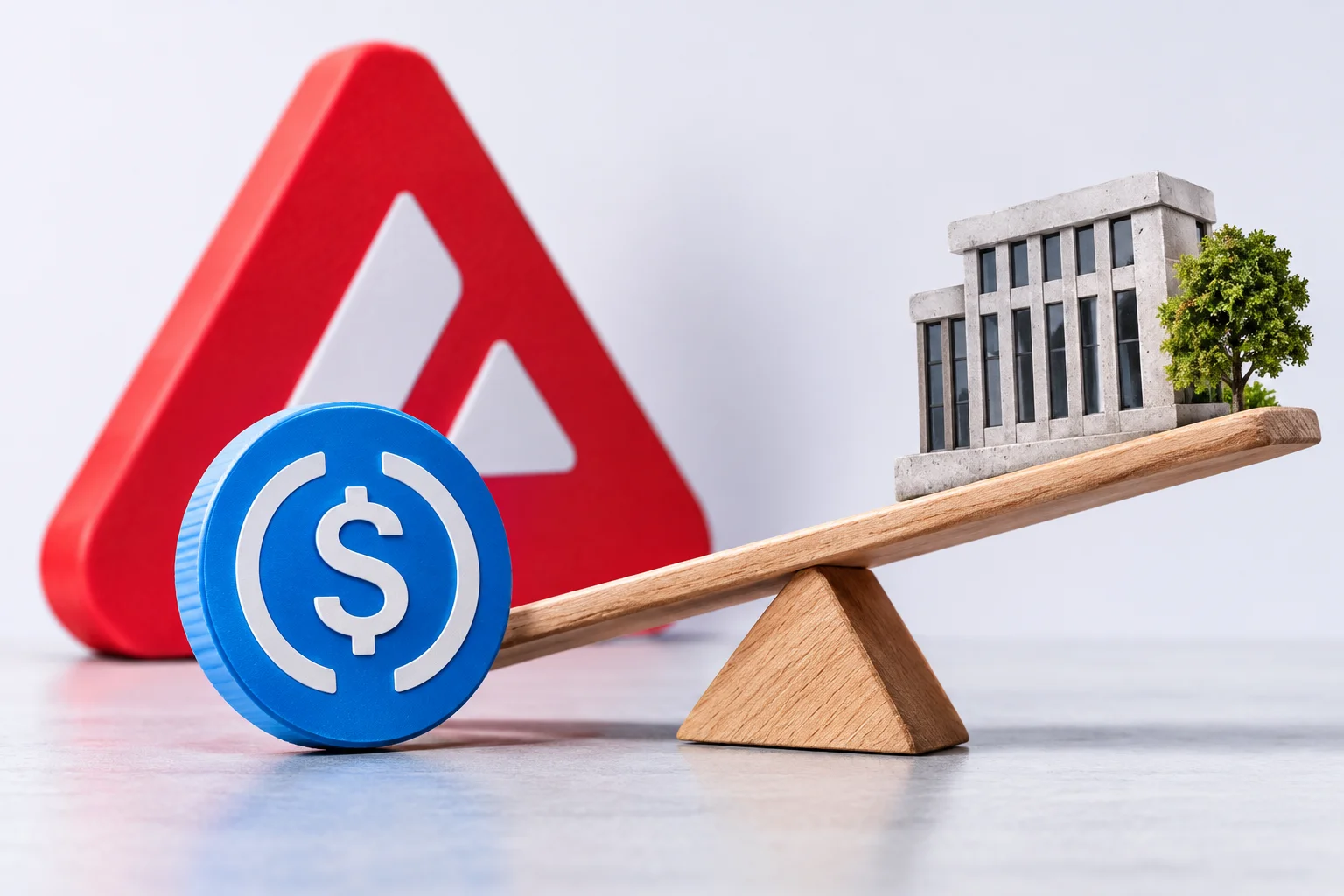
Aave Labs has proposed adding Anchorage Digital Bank’s USAT as a borrow-only dollar reserve in a dedicated real-world asset credit…

Pendle and Ethena introduced four Ethereum markets that let users buy USDe redemption claims at a discount and receive USDe…

Morpho has launched on OKX’s X Layer, where users can supply USDC to Gauntlet-curated vaults or borrow against xBTC and…

Maple Finance CEO Sidney Powell aims to grow assets under management from about $4.8 billion to $15 billion by 2027,…

The World Bank Group will test whether Circle’s USDC and Citi’s banking connections can improve development-fund payments, potentially making transfers…

Curve Finance reportedly sold a backlog of small balances in 135 tokens, converting them into 38,205 USDC, mostly tokens below…

S&P Global Ratings analyst Andrew O'Neill argues that people and governance around DeFi, such as key management and upgrade approvals,…

Animoca co-founder Yat Siu argues that blockchain-based finance could let AI agents direct users’ deposits toward yield, challenging checking accounts…

Pendle V2 has surpassed $92.6 billion in cumulative trading volume, while volume over the past 30 days rose 80% to…
Decentralized finance includes applications for exchanging, lending and borrowing crypto assets. Smart contracts carry out many of these operations. A protocol, the blockchain it runs on and a token used within it are distinct subjects, even when a headline groups them together.
For stablecoins, start with the issuer or protocol, the asset being tracked, the reserve or collateral mechanism, and the conditions for redemption. Circle and Tether publish their own reserve information for USDC and USDt. Those issuer disclosures are primary sources for their claims, not an independent guarantee that every token or platform using them is safe.
Compare like-for-like figures: circulating supply, trading volume and collateral deposited in a protocol describe different things. Record the reporting date and the networks included. Use the issuer disclosures linked below to check reserve claims, and follow regulation coverage for changes in the applicable rules.