

How apps were affected
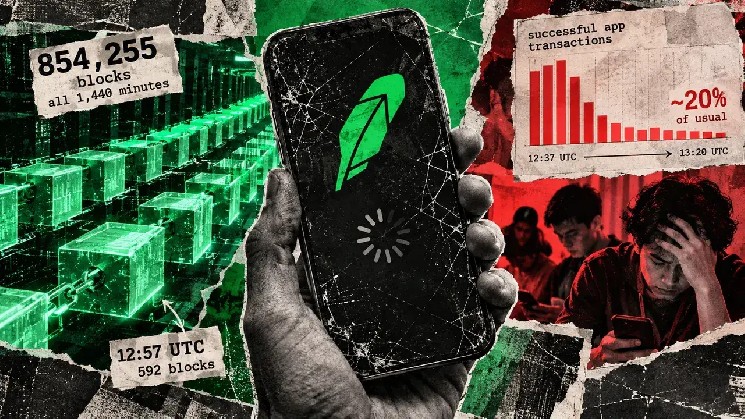
Walnut’s Sept. 23 analysis found successful traffic through busy Robinhood Chain apps fell sharply from about 12:37 to 13:20 UTC. Its median busy app completed about one fifth of its usual successful transactions during the slump. Walnut reads delayed oracle updates and smart-wallet transaction failures as signs that attempted submissions were lost before reaching blocks. Public chain data leave the point of failure unresolved.
QuickNode began investigating increased Robinhood Chain mainnet latency at 13:10 UTC. At 16:20 UTC, the provider warned that users might encounter degraded performance and transactions failing to land while it investigated sequencer-feed connection issues. QuickNode’s record covers its own service, while Walnut’s roughly 40-minute figure measures successful app traffic.
In a Sept. 4 statement, @arbitrum said the chain had no downtime and direct user transactions had no delays. It also reported a brief performance impact for some providers that rely on the chain’s data stream amid many feed subscribers. The statement separates direct submissions from provider services; Walnut’s app-traffic measurement and QuickNode’s incident show why the distinction matters to users.
Walnut argues that a low batch-poster tip was outbid during an Ethereum fee spike, delaying data posts. Glass Hull leaves the posting gaps’ cause unresolved. The public record establishes continuous block production alongside impaired app traffic, while the precise off-chain failure point, whether in a sequencer queue or an RPC layer, and its connection to the posting delays remain open.
