
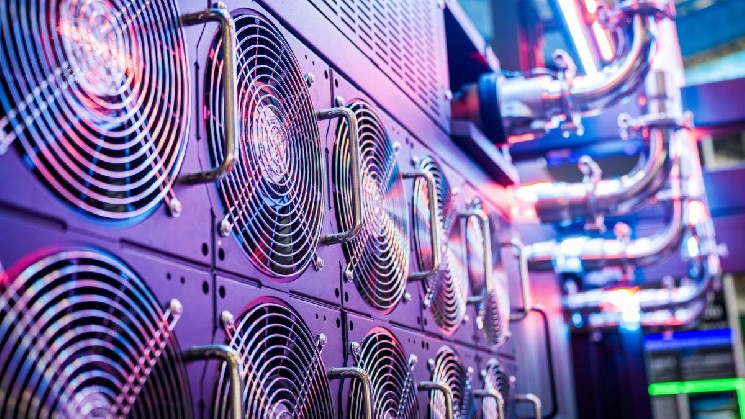

Now, the larger bitcoin mining firms are shifting toward AI computing, renting computing power to technology firms rather than relying solely on bitcoin mining rewards, prompting speculation that any resulting drop in bitcoin computing power might make the activity more profitable.
That depends, however, on whether mining equipment actually leaves the network or is simply redeployed. The hashrate, a measure of the total computing power on the blockchain, was recently around 1.09 zetahash per second, little changed from about 1.13 ZH/s a year ago, according to data from Hashrate Index. It has been rising for two months.
“If equipment is sold to another mining operator, it may continue competing for the same rewards,” said GoMining CEO Mark Zalan.
Mining remains competitive and will become less profitable in about 18 months, when the $BTC awarded from mining a bitcoin block is cut by 50%. Still, it may be cheaper to acquire the coins than buying them at current prices, according to Nick Perchey, Sazmining’s director of revenue.
Earlier this month, Sazmining, founded in 2018, began selling mining boards developed by Jack Dorsey’s Block (XYZ). Each board costs $4,187. Electricity and maintenance cost another $153 a month, plus a management fee of 15% of the bitcoin mined. The company has received nearly 50 orders, with about half coming from first-time miners, Perchey said.
