

Stock tokens can take several forms. Some providers create synthetic wrappers that track the price of a stock without making the token itself a registered share of the company. Other models tokenize shares held with a regulated custodian, while issuer-sponsored approaches put actual company shares onchain with shareholder rights attached.
Robinhood’s products fall into the first camp, allowing investors to gain exposure to U.S. equities without participation from the companies whose stocks they track. The tokens are not available to U.S.-based customers.
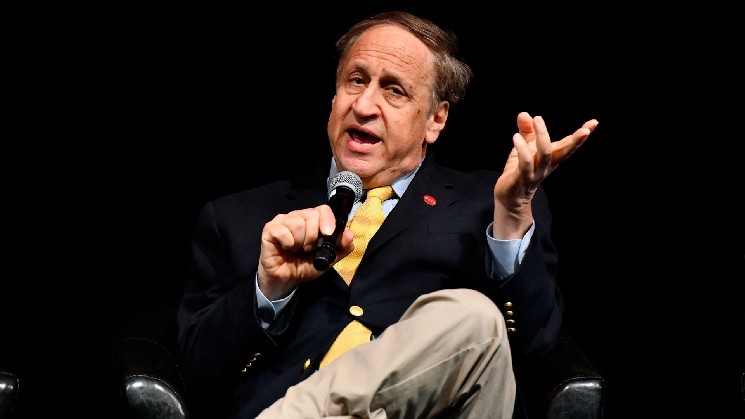
Those distinctions matter because a synthetic token may follow AMC’s share price without carrying voting rights, providing ownership or being recorded on the company’s shareholder register.
Tokenization executives weigh in
Aron’s criticism found support from some crypto executives who otherwise favor bringing stocks onchain.
Armani Ferrante, co-founder and CEO of crypto exchange Backpack — which offers tokenized U.S. equities trading on the Solana blockchain, backed by shares held in custody — said Aron’s concern about capital formation had “real substance.” He argued Robinhood’s structure could separate demand for a stock token from demand for the underlying stock because buying a token does not necessarily result in the same amount of buying in the company’s shares.
“When you’re bidding Robinhood stock tokens, that buy pressure doesn’t necessarily hit the underlying stock market,” Ferrante wrote on X.
