
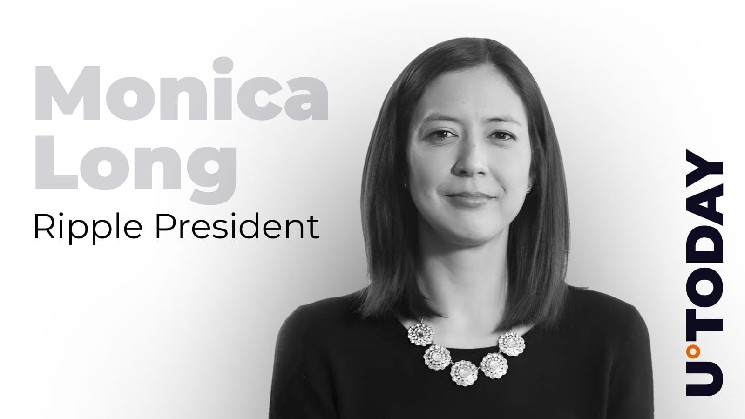

“And that’s exactly where Ripple delivers,” she emphasized, linking the deal to the change in the global demands of the fintech sector.
Not just another token in the Robinhood app
For the community and $XRP holders, this agreement is important because of how exactly Ripple’s solutions are being integrated into the internal processes of the American broker. Robinhood is not just adding a new asset to its listing but is fully moving its back office onto blockchain rails.
The $RLUSD stablecoin operates directly on the $XRP Ledger (XRPL) distributed ledger. The network handles institutional settlements through the subsidiary exchange Bitstamp, which takes the real utility of the ledger to a fundamentally new level.
At the same time, Robinhood is implementing the Ripple Treasury system. This allows the broker to automatically forecast cash flows, manage the company’s liquidity, and carry out internal netting of mutual obligations. In addition, the Ripple Prime service provides Bitstamp with credit support for two dozen assets for the upcoming launch of perpetual futures trading.
Robinhood’s head of crypto Johann Kerbrat fully shares Monica Long’s view. He also believes that the real value of stable tokens is now measured solely by their usefulness for business, and the proposed bundle of tools forms a working prototype of a “connected, global financial system.”
The integration of Ripple’s systems into the broker’s back office coincides with the powerful growth of the market for regulated blockchain instruments. The global volume of stablecoins exceeds $300 billion, and the capitalization of $RLUSD itself has exceeded $2.4 billion since its launch in December 2024, which makes it a key hub for the fintech platform’s transit treasury flows.
