

How the Money Moved
On Dexscreener, the most active CARTI pair on Solana showed about $4.09 million in 24-hour volume while its price sat roughly 64% lower over the same window. Most of that volume came in the first few hours, and the market value had shrunk to a small fraction of its peak by Monday morning in Asia.
The original token was only the start, and as expected, within a couple of hours, more than 20 fresh CARTI tokens had been created and spread across Solana, Robinhood Chain and Arc. Most of them carried the same name and image, and most were worth a few thousand dollars by today morning.
Copycat launches are now standard behavior after any celebrity token goes live since deployers know search traffic spikes. As a result, they flood every launchpad with lookalikes and hope buyers grab the wrong contract.
To this point, Zeru research found that only 34 of 3,374 tracked launches graduated organically, a rate near 1%. Meanwhile, the top 10 deployers on Pump.fun have made over $95.1M. The house usually wins in this setup.
Why the Script Keeps Working
Carti is not the first big name pulled into this pattern this year; in July, Robinhood CEO Vlad Tenev’s account was hijacked to shill a fake “Vladhood” memecoin token, and the post pulled in more than 175,000 views in under 20 minutes before users flagged it.
The timing also overlaps with the Kimchi saga, which Bitcoin.com News reported on last week, where the popular pseudonymous trader went from Pump.fun star to rug pull suspect in 48 hours.
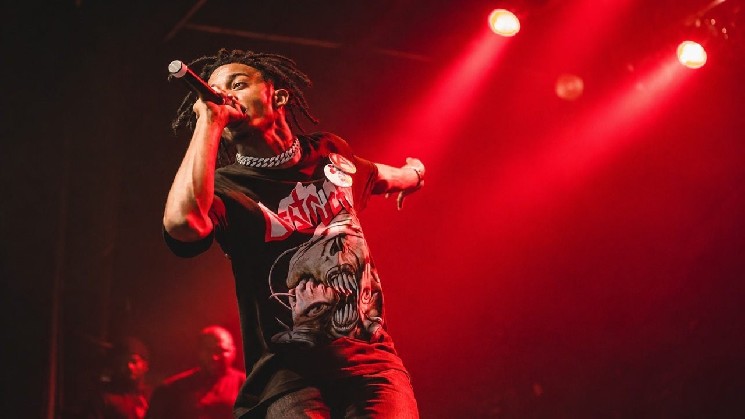
None of that proves who controlled Carti’s account on Sunday. No statement from the rapper or his team had surfaced at the time of writing, and the token has no confirmed link to him.
The broader memecoin market was already bruised going into the weekend, as bitcoin’s price slipped below $80,000 and dragged speculative volume along with it. A celebrity name still found buyers anyway, which says plenty about where risk appetite sits right now.
