
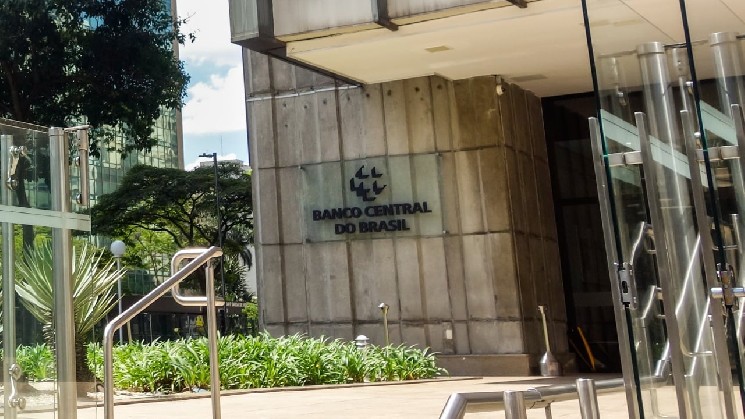

While more companies might apply to become licensed and operate in Brazil, the central bank will have up to 2 years to respond to any application, making any attempt to enter Brazil a long process for any company not present today.
Tiago Severo, the crypto authority at Panucci, Severo e Nebias Advogados (PSNA), a Brazilian law firm, said the low number of firms applying is not only explained by the high capital requirements, but also by costs of complying with the reporting schedule the new framework establishes.
Severo told Livecoins that now, each company “must send custody of each client to the Central Bank every day and proof of reserves every month, have three years of audited balance sheets and a money laundering prevention program capable of undergoing audit.” “Many smaller platforms concluded they couldn’t sustain this,” he assessed.
Nonetheless, larger firms like Binance and Itaú did file applications, meaning customer capital will be custodied by companies with larger security budgets, which would result in better security protocols in practice.
For Severo, these larger firms will serve as infrastructure and service providers to smaller companies, which will rely on them to offer crypto services to their customers. “Medium-sized banks, cooperatives, and retailers will be able to offer crypto without setting up an exchange by hiring an authorized provider. The central legal question becomes who provides the regulated service and who responds to the customer,” he explained.
Starting on November 6, banks and payment providers will not be able to facilitate transactions for VASPs outside the regulatory regime, effectively crippling their ability to reach Brazilian customers using the legacy fiat system.
