
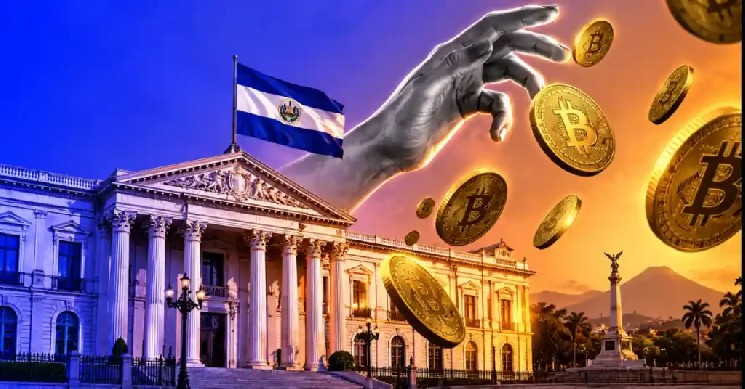

However, official trackers showed that the country’s $BTC wallet swelled by over 1,000, effectively breaching the IMF’s accumulation demand.
To secure a waiver, El Salvador provided proof showing its latest $BTC reserves came entirely from private donations. The nation also committed to several “prior actions” seen below.
IMF ultimatum details
The organization now demands that El Salvador halt its state-led Bitcoin accumulation strategy, remaining with private donors as its sole source of Bitcoin.
Additionally, the nation should unwind its remaining control over the formerly state-run Chivo e-wallet. At present, a private operator is conducting the majority of the wallet’s operations.
Furthermore, the organization stressed the need for Bitcoin’s use to remain voluntary for both individuals and businesses, and that Bitcoin tax payments remain banned. The nation already removed state-guaranteed convertibility of $BTC to US dollars for merchants, removing the burden of banks holding massive cash reserves.
Finally, the IMF is demanding a public audit and full disclosure of the nation’s digital assets to limit fiscal contingency risks. It has also tasked the country with passing critical AML frameworks governing digital service providers.
Nonetheless, the IMF notes the country’s impressive economic performance following improved public safety and rising investor confidence.
😘 https://t.co/fNrI4p2yDI pic.twitter.com/hjWLY1jcAB
— Nayib Bukele (@nayibbukele) October 1, 2026
Current status of Bitcoin in El Salvador
At present, El Salvador’s national treasury holds 7,789 $BTC, currently valued at over $660 million (1BTC trading at $84,761). At an average cost basis of $55,718, the net unrealized gains translate to roughly $226 million.
