
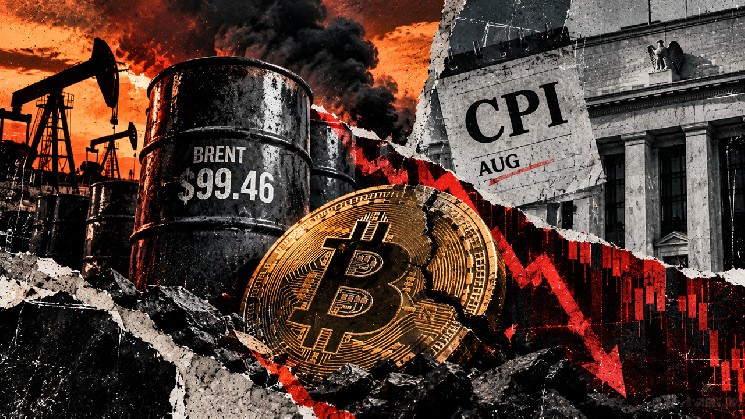

For Bitcoin’s recovery, the distinction is between inflation already measured and price pressure still developing. A softer August reading could ease interest-rate concerns without resolving the newer risk from oil.
Friday’s CPI looks backward
The Bureau of Labor Statistics calendar schedules August’s Consumer Price Index for Sept. 11 at 8:30 a.m. Eastern. It measures August prices, so it cannot reflect a disruption that happened on Sept. 8. September’s CPI is not scheduled until Oct. 14.
That creates a gap between the inflation data arriving before the Federal Reserve’s Sept. 15-16 meeting and the energy risk developing now. Bitcoin would enter that policy decision with the latest consumer-price figures describing conditions before Tuesday’s attacks.
The inflation backdrop was already uneven. July CPI rose 0.1% over the month and 3.4% over the year. Excluding food and energy, prices increased 0.2% monthly and 2.5% annually. None of those figures tells investors how much the new disruption will affect subsequent inflation.
Fed Governor Christopher Waller said Sept. 3 that continued disinflation would incline him to support holding rates, while hot August inflation could lead him to consider a hike.
He also identified renewed energy-price increases as an upside risk. But he said earlier fears that energy costs would spread more broadly through goods and services had not materialized so far. His comments describe a conditional position, not a commitment by the committee.
The labor backdrop remains part of that decision: BLS reported 162,000 additional jobs in August and unemployment of 4.1% on Sept. 4. Those figures sit alongside the tension between oil and labor data that predated Tuesday’s fresh disruption.
For Bitcoin, the near-term question is whether cooler inflation data arrives alongside easing energy pressure. Persistent expensive oil could complicate the case for a Fed hold; a retreat in crude would reduce that particular risk.
Friday’s release will provide the August figures. Whether the new energy shock persists remains a separate question for the inflation outlook facing Bitcoin.
