
The FAA’s nationwide ground stop lasted more than four hours, but its effects could disrupt U.S. airline schedules through the weekend.
The Federal Aviation Administration reopened U.S. airspace at 8:15 p.m. ET on November 13 after a communications failure disrupted air traffic control centers. Restarting departures, however, did not return thousands of displaced aircraft and crew members to their assigned locations.
An earlier report by a credible source cited FlightRadar24 figures showing more than 6,600 cancellations and 8,600 delays, with another 1,500 flights already canceled for Sunday. The disruption is a costly problem for carriers heading into a busy weekend.
Airline Shares Fall as Flight Disruptions Spread
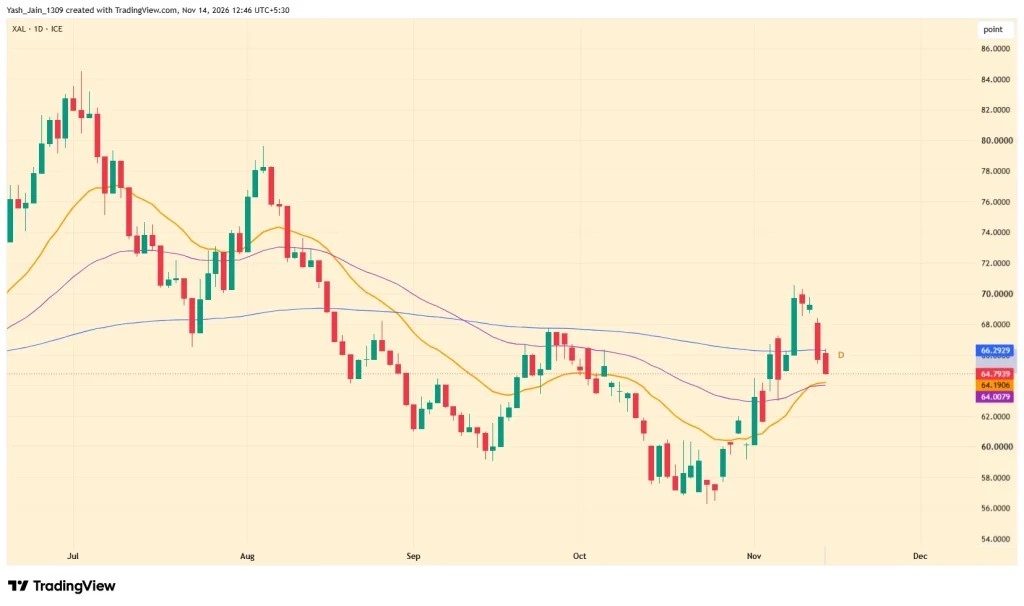
The NYSE Arca Airline Index closed lower Friday as airline shares fell late in the regular session.
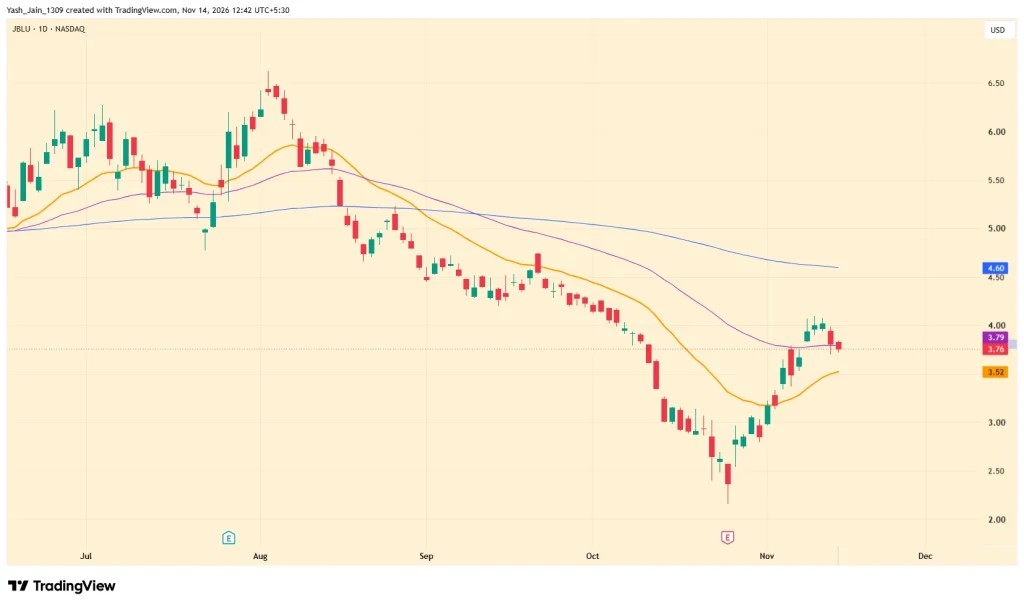
In after-hours trading, American Airlines, Delta and United each fell between 1% and 2%. JetBlue dropped about 3%, adding to pressure as investors assessed the disruption.
Overloaded FAA Equipment Prompts Questions About $50B
Transportation Secretary Sean Duffy said overloaded routers and switches sent inconsistent data across air traffic control centers. The FAA halted departures as a safety precaution.
Today’s nationwide ground stop happened because our air traffic control system is operating on DECADES-OLD, analog equipment that simply cannot compete with the demands of the 21st century.⁰@FAANews is modernizing this aging infrastructure thanks to a $12.5 billion down… pic.twitter.com/nXUPHkdNdV
- Secretary Sean Duffy (@SecDuffy) November 14, 2026
Duffy called for $50 billion to modernize the aging air traffic control system. Earlier that day, the White House and Transportation Department had separately called on Congress to approve $30.1 billion for aviation infrastructure upgrades.
Homeland Security Secretary Markwayne Mullin said investigators had found no evidence of a cyberattack so far.
U.S. Flight Cancellations Could Continue After Shutdown
The ground stop has ended, but recovery is not automatic. Aircraft remain out of position, crews face duty-time limits, and passengers need to be rebooked.
Airlines could take days to rebuild their schedules. The FAA’s nationwide ground stop has shown how a single failure in shared infrastructure can disrupt the entire industry.