
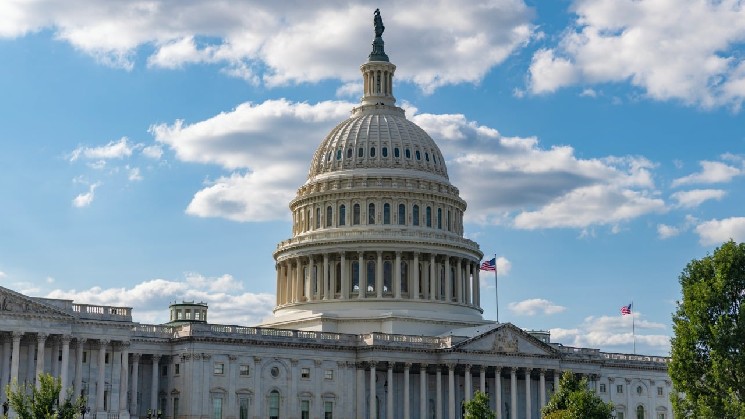

The election results have implications beyond a single bill, potentially reshaping the broader regulatory environment for blockchain technology and artificial intelligence (AI). With Democrats taking control of both chambers, leadership changes on key congressional committees are expected to shift legislative priorities toward greater oversight.
With crypto critic Sen. Elizabeth Warren (D-Mass.) expected to take the helm of the Senate Banking Committee, TDC anticipates a swift pivot from deregulation toward tighter oversight of digital asset exchanges and their integration into the broader banking system. TDC also predicts the House Financial Services Committee will shift its priorities toward enforcing strict stablecoin reserve requirements, expanding consumer disclosures and strengthening anti-money laundering (AML) controls over rapid market expansion.
Navigating Regulatory Uncertainty and U.S. Competitiveness
Although cryptocurrency industry advocacy groups spent heavily during the 2026 election cycle to support pro-innovation candidates, the electoral setbacks mean federal regulators will have to rely primarily on enforcement actions in the absence of comprehensive legislation.
Meanwhile, as AI infrastructure expands, the incoming Congress is expected to place greater emphasis on safeguards addressing data privacy and national security risks associated with advanced AI deployment. Democratic lawmakers are also expected to push for formal risk management frameworks and greater transparency across high-stakes AI applications.
While the political realignment creates near-term regulatory uncertainty, technology policy advocates acknowledge that lawmakers on both sides of the aisle recognize the need for clear, transparent rules. Whether Congress revives the CLARITY Act during the lame-duck session or develops new legislation in 2027, the future of U.S. technological innovation could hinge on Washington’s ability to balance consumer protection with global competitiveness.
