

“The Brazilian central bank encourages use of Pix over other services by mandating that participating institutions offer Pix for free to individuals and by capping the fee those institutions may charge businesses for Pix transactions,” The U.S. Trade Representative wrote on X.
While Visa and Mastercard don’t break down their market share or revenue from Brazil, Pix has grown rapidly since its November 2020 launch. More than 170 million individuals have used the system, which processed nearly 7 billion transactions worth roughly R$3 trillion ($590 billion) in June, according to central bank data.
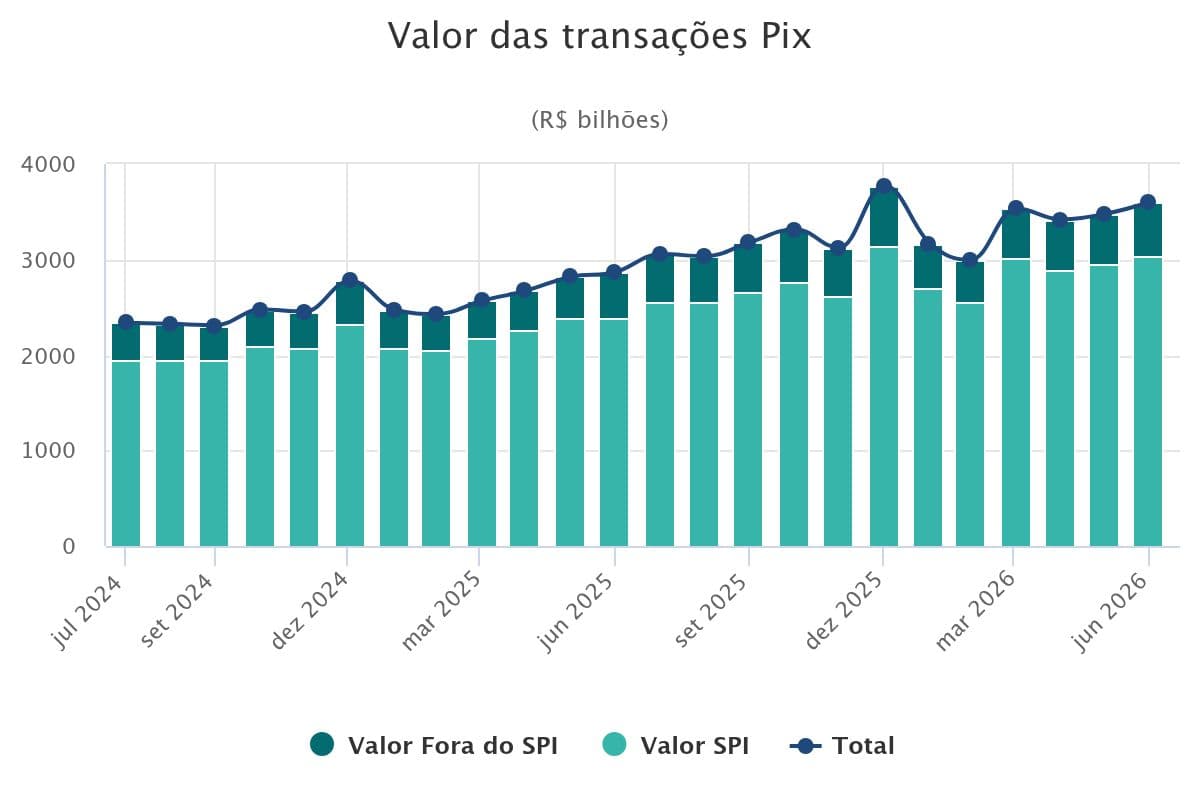
Pix handled 42.9 billion transactions in the second half of 2025, compared with 23.8 billion across credit, debit and prepaid cards, underscoring its massive scale of dominance in the country’s payments system.
Pix vs stablecoin
The dispute comes as Washington grows increasingly concerned about efforts by Brazil and other BRICS countries to reduce reliance on dollar-based payment infrastructure. Brazil made local-currency settlement and international payment platforms a policy priority during its 2025 BRICS presidency, though officials said the bloc was not developing a common BRICS currency.
Ironically, demand for the U.S. dollar in the country doesn’t appear to have subsided, as the U.S. dollar already circulates widely in Brazil’s digital economy via blockchain-based payment rails.
