
Close Menu
  • Coins
    • Bitcoin
    • Ethereum
    • Altcoins
    • NFT
  • Blockchain
  • DeFi
  • Metaverse
  • Regulation
  • Other
    • Exchanges
    • ICO
    • GameFi
    • Mining
    • Legal
  • MarketCap
What's Hot

How an $81.9M Bitcoin whale bet could shape BTC’s $60K battle

29/06/2026

Kuvi Labs Partners with AI-Pay with Crypto, Strengthening DeFi with Decentralized Agentic Infrastructure

29/06/2026

Why SharpLink Gaming Stockpiles $46 Million in Ethereum

29/06/2026
Facebook X (Twitter) Instagram
  • Back to NBTC homepage
  • Privacy Policy
  • Contact
X (Twitter) Telegram Facebook LinkedIn RSS
NBTC News
  • Coins
    1. Bitcoin
    2. Ethereum
    3. Altcoins
    4. NFT
    5. View All

    How an $81.9M Bitcoin whale bet could shape BTC’s $60K battle

    29/06/2026

    Bullish Bitcoin RSI divergence has analysts calling for 2022-style bear market bottom

    29/06/2026

    $4 billion gone. Spot bitcoin ETFs are on track for their worst month on record

    29/06/2026

    Why $60,000 Level Could Be BTC’s $6,000 Moment From 2018

    29/06/2026

    Why SharpLink Gaming Stockpiles $46 Million in Ethereum

    29/06/2026

    Reversal or Drop Toward $1,368?

    29/06/2026

    ETH steadies near $1,570 as whales test support

    29/06/2026

    On-Chain Data Tracks Machi Big Brother ETH Leverage Defense on Hyperliquid

    29/06/2026

    A Large Number of Token Unlocks Are Scheduled for 14 Altcoins This Week—Here’s the Day-by-Day, Hour-by-Hour List

    29/06/2026

    Ripple’s MiCA win is not a full license yet – Here’s what it still has to prove

    29/06/2026

    Ripple CEO Sees Massive XRP Opportunity in $16 Trillion Payment Flows

    29/06/2026

    Why Sonic’s 558% volume spike could be more than a relief rally

    29/06/2026

    Element NFT Marketplace Expands Reach to Ink to Enhance NFT Accessibility

    27/06/2026

    Why is Pudgy Penguins (PENGU) Trending? What You Need to Know

    22/06/2026

    Top 10 NFT Performers by Trading Volume, Courtyard Outshines

    22/06/2026

    Pudgy Penguins expands retail footprint with Target trading card rollout

    20/06/2026

    How an $81.9M Bitcoin whale bet could shape BTC’s $60K battle

    29/06/2026

    Kuvi Labs Partners with AI-Pay with Crypto, Strengthening DeFi with Decentralized Agentic Infrastructure

    29/06/2026

    Why SharpLink Gaming Stockpiles $46 Million in Ethereum

    29/06/2026

    The next crypto recovery trade might be equities instead of tokens

    29/06/2026
  • Blockchain

    Arbitrum Highlights Efficiency Gains — Here’s Why It Matters

    29/06/2026

    JPMorgan Pilots Deposit Token JPMD on Base — Here’s Why It Matters

    29/06/2026

    ZKsync Assembles Institutional Infrastructure as Interest Grows

    29/06/2026

    Continental Partners With Securitize for Digital Securities

    27/06/2026

    Funton.ai Partners with Echobit Exchange, Expanding Blockchain Gaming Experience with Crypto Applications

    27/06/2026
  • DeFi

    Kuvi Labs Partners with AI-Pay with Crypto, Strengthening DeFi with Decentralized Agentic Infrastructure

    29/06/2026

    A $223M DAO vote could turn governance into a cash-out button

    29/06/2026

    Inside Pendle’s Latest Yield Offering — What It Means for Users

    29/06/2026

    Why USDC Just Launched the Steakhouse Confidential Prime Vault on Morpho

    29/06/2026

    Pioneering zk-rollup Loopring closes DEX, citing lack of adoption

    29/06/2026
  • Metaverse

    Is Solana Gaming Back? Kintara Activity Fuels Renewed Optimism in Onchain MMOs

    24/06/2026

    The Sandbox launches AI game engine ‘The Sandbox Studio’ for next-generation creators

    10/06/2026

    Meta commits $13M in funding for Oversight Board through 2028

    29/05/2026

    Why Animoca’s Yat Siu says the future is 100 billion AI agents

    07/05/2026

    ‘8,000 Jobs’—Polymarket Sees Tech Layoff Surge As Meta AI Push Bites

    18/04/2026
  • Regulation

    The next crypto recovery trade might be equities instead of tokens

    29/06/2026

    Asia’s Stablecoin Push Gains Speed as SBI Launches JPY Token, Russia Drafts Rules

    29/06/2026

    BIS warns stablecoins risk fragmenting global financial system

    29/06/2026

    ‘Sale of…’ – Inside Grayscale’s plan to erase Strategy’s $14B unrealized loss

    29/06/2026

    Crypto’s Dry Powder Is Drying up as Stablecoin Sector Contracts by $9.4B

    29/06/2026
  • Other
    1. Exchanges
    2. ICO
    3. GameFi
    4. Mining
    5. Legal
    6. View All

    Why MoonPay Just Acquired AI Startup EntendreAI

    29/06/2026

    Bitcoin Exchange Binance Announces Listing of a New Altcoin on its Futures Trading Platform! Here Are the Details

    29/06/2026

    Ripple Takes a Significant Step Towards Expanding Its Operations in the European Union Market! Here Are the Details

    29/06/2026

    RWAs Listed on Mode Trade as Market Shows Mixed Signals

    29/06/2026

    ICO market slows sharply with only six completions in 2026

    30/04/2026

    South Korea Poised to Lift Ban on Domestic ICOs After 7 Years

    19/12/2025

    Why 2025’s Token Boom Looks Both Familiar and Dangerous

    31/10/2025

    ICO for bitcoin yield farming chain Corn screams we’re so back

    22/01/2025

    Nexus Acquires Homegrown App Marketplace One Store, Expanding into Global Web3 Game Hub

    21/06/2026

    GMATRIXS and Plum Protocol Partner to Blend GameFi with Meme Assets, Driving Multi-Chain Web3 User Experience

    16/06/2026

    Crypto game studio Uncharted to shutdown along with Fishing Frenzy

    15/06/2026

    Pudgy Penguins Halts Web3 Mobile Game Pudgy Party to Focus on Pudgy World

    14/06/2026

    Fidelity rebuts claims Bitcoin becomes less secure after halvings

    28/06/2026

    ChangXin Memory Technologies secures IPO approval to raise over $4B in China’s biggest chip listing

    28/06/2026

    Russia Plans Wider Crypto Mining Ban Across Key Regions From July

    28/06/2026

    Bitdeer Sells Entire Weekly Bitcoin Production, Now Holds Zero BTC

    28/06/2026

    South Korea urges FATF to scrap Crypto travel rule threshold

    29/06/2026

    Japanese PM Takaichi Denies Involvement in ‘Sanae Token’ Cryptocurrency

    29/06/2026

    Pro-Crypto UK Mayor Andy Burnham Emerges as Potential Next Prime Minister

    29/06/2026

    Why the banking industry is fighting a crypto bill

    29/06/2026

    How an $81.9M Bitcoin whale bet could shape BTC’s $60K battle

    29/06/2026

    Kuvi Labs Partners with AI-Pay with Crypto, Strengthening DeFi with Decentralized Agentic Infrastructure

    29/06/2026

    Why SharpLink Gaming Stockpiles $46 Million in Ethereum

    29/06/2026

    The next crypto recovery trade might be equities instead of tokens

    29/06/2026
  • MarketCap
NBTC News
Home»Regulation»USDT becomes the operational dollar
Regulation

USDT becomes the operational dollar

NBTCBy NBTC09/10/2025No Comments7 Mins Read
Share
Facebook Twitter LinkedIn Pinterest Email


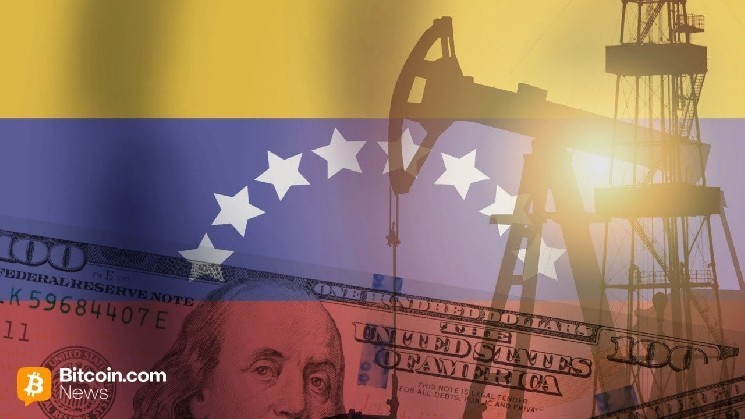
An increasing flow of USDT payments is progressively replacing dollar transfers in operations in Venezuela with private entities. Independent analyses recently shared by Latam Insights Encore and Asdrúbal Oliveros (Ecoanalítica) indicate that disbursements in tether to private buyers have surpassed cash USD transfers, marking an operational shift in the current exchange regime.

This trend is consistent with major international reports on the phenomenon, particularly the Chainalysis 2024 Global Crypto Adoption Index and specialized reports that have followed the evolution of flows from 2024 to 2025, including journalistic analyses on the role of stablecoins in commercial payments Reuters.

According to data collected by Latam Insights Encore and surveys conducted by local analysts between June and September 2025, numerous SMEs in Caracas, Valencia, and Maracaibo have introduced USDT into recurring payment processes and treasury management. Industry analysts note that the scarcity of banknotes and the spread of P2P wallets have accelerated operational adoption. As a reference, aggregated data published in 2024 indicates an increase in crypto activity in Venezuela close to +110% year-on-year and a share of stablecoins amounting to 47% of retail transactions under $10,000; these values explain the pressure towards digital solutions (update: September 2025).

The data, observed in September 2025 also by Latam Insights Encore, reflects a rapid adaptation of businesses and operators using USDT as a “digital dollar” to manage suppliers, cash flow, and daily transactions. The effect is a smoother payment network in the context of cash shortages and sanction constraints imposed, in part, by the current economic regime. In this context, the reduction of operational friction becomes a tangible competitive advantage throughout the entire value chain.

  • What Happened and Why It Matters
  • USDT as a Dollar Proxy: Why It Has Established Itself
    • Concrete uses reported in the field
  • Impact on the Real Economy
  • Regulatory Risks and Possibility of Fund Freezing
    • Technical risks (issuer and infrastructure)
    • Legal and Sanction Risks
    • Internal Economic Risks
    • Possible Operational Countermeasures
  • Why This Pattern Emerged
    • Data and Signals to Monitor
  • Sectors where USDT is already standard practice
  • Outlook and Possible Scenarios
  • In summary

What Happened and Why It Matters

According to public statements made by Oliveros and reported by the local press, disbursements in USDT to private entities have overtaken cash payments. This shift mainly concerns supplies, settlements with intermediaries, and part of the retail circulation – dynamics also confirmed by the analysis of Latam Insights Encore. That said, the emerging picture is one of a normalization of use in “work” payments, as well as in more frequent transactions.

USDT (Tether) is a stablecoin pegged to the US dollar, issued by Tether. The official documentation explains that it is designed to maintain a stable value and offer fast transfers on public networks. For many Venezuelan operators, it functions as a proxy for the dollar, ensuring the same “unit of account” with less logistical friction.

The result is a wider use of the “digital dollar” in the payment system, impacting monetary transmission and internal liquidity management. It should be noted that the spread also stems from practical conveniences: less cash, more certainty in settlement.

USDT as a Dollar Proxy: Why It Has Established Itself

  • Access: ease of receiving and sending without the need to physically carry cash, with lower operational risks.
  • Speed: almost instant settlements thanks to the use of compatible blockchains, especially useful for short cycles.
  • Traceability: better reconciliation for businesses compared to the use of cash, with benefits for internal control.
  • Compatibility: integration with exchanges, wallets, and local payment gateways, already aligned with operators’ habits.

Concrete uses reported in the field

  • Payments to suppliers and logistics intermediaries in USDT, even for recurring orders.
  • Deposits and corporate treasury management in stablecoins, used as a cash buffer pending settlement.
  • Use in retail for recurring purchases in low-margin sectors, where speed is essential.
  • Regulation of imports with low documentary complexity, featuring more streamlined processes.

Impact on the Real Economy

  1. Less friction in payments, thanks to the reduced reliance on USD cash, which eases logistics.
  2. More stable prices along the supply chain, due to lower exposure to local currency exchange during short-term transactions, especially in the more sensitive segments.
  3. Integration: improved continuity in flows thanks to cross-border exchanges, with greater predictability.
  4. Network effect: as the acceptance of the stablecoin grows, the overall liquidity increases, with cumulative impacts.

Regulatory Risks and Possibility of Fund Freezing

The adoption of USDT brings operational benefits but also introduces risks and external dependencies. In particular, the ability for Tether to freeze addresses at the request of authorities, as highlighted by OFAC, remains a critical point, especially in scenarios of international enforcement. Although Tether’s intervention capabilities—such as freezing funds—appear applicable only in specific circumstances, this risk, along with potentially stricter controls by exchanges, represents a factor of uncertainty. Indeed, operational continuity also depends on non-domestic regulatory choices.

Technical risks (issuer and infrastructure)

  • Freezing: Tether can block addresses at the request of authorities; the probability is considered medium for specific targets but the impact can be high for the parties involved, especially if sudden.
  • Networks: in case of congestion or high fees on certain blockchains, the probability is variable and the impact is moderate, with possible temporary delays.

Legal and Sanction Risks

  • International sanctions, such as those imposed by the OFAC, can limit access to services and counterparties. The probability is medium and the impact is high, even in an asymmetric manner.
  • Exchanges and gateways might close accounts or intensify KYC/AML checks, with medium probability and medium impact, especially for entities with multiple exposures.

Internal Economic Risks

  • Monetary duality: the coexistence of bolívar, USD in cash, and USDT can create friction in prices and transactions, with adjustments not being immediate.
  • A potential policy change by Tether can trigger operational shocks, even if limited.

Possible Operational Countermeasures

  • Segmentation of wallets: separate critical operations from current ones to minimize risks in case of interventions, preserving continuity.
  • Mix of stablecoins and other digital currencies, to diversify the risk associated with a single issuer and reduce concentrations.
  • In support of internal transparency, with periodic audits.

Why This Pattern Emerged

The current dynamic is influenced by the scarcity of USD banknotes, sanctions affecting key sectors – particularly the oil industry – and the growing availability of wallets and crypto services. In this scenario, USDT offers a relatively smooth settlement channel widely accepted by operators. Yet, the framework remains sensitive to regulatory or market changes.

Furthermore, a significant portion of the USDT supply is backed by short-term dollar assets, thus reinforcing the perception of stability and the use of the stablecoin as a local store of value in the short term, despite uncertainties related to the issuer’s governance. That said, the risk management choices of individual operators remain crucial.

Data and Signals to Monitor

  • Shares of public and private payments settled in USDT compared to cash USD, with attention to seasonality.
  • Z-score of merchant adoption in major urban centers of the country, useful for capturing local trends.
  • Trend of USDT reserves and issuances/redemptions, monitored in real-time by the issuer, for signs of stress or expansion.

Sectors where USDT is already standard practice

  • Low-complexity import-export sector, particularly for the purchase of spare parts and light raw materials, where the speed of settlement matters.
  • Retail and services characterized by high cash turnover, with short cycles and low margins.
  • Freelance professionals and workers with foreign clients, who find in the stablecoin a practical and predictable means of transaction.

Outlook and Possible Scenarios

  1. Scenario base: USDT remains the prevailing operational tool in “quick” payments, with gradual growth and increased integration into local gateways, without disruptions.
  2. Targeted enforcement: stricter controls on specific addresses and intermediaries, which could slow down the use of the stablecoin in certain segments, with selective effects.
  3. Domestic regulatory intervention: proposals for regulations to ensure transparency, reporting, and specific tax rules on stablecoin flows, with the adoption of thresholds and registers, in a more formalized framework.

In summary

USDT has established itself as the operational dollar in Venezuela, impacting payments and treasury management. The model reduces friction associated with cash usage and supports both domestic and foreign exchanges, while introducing risks related to the issuer, international sanctions, and the governance of the stablecoin.

Share. Facebook Twitter Pinterest LinkedIn Tumblr Email
NBTC

NBTC is the editorial account for NBTC News, covering Bitcoin, Ethereum, DeFi, blockchain infrastructure, exchanges, mining, regulation and digital asset markets. The editorial team focuses on clear sourcing, timely updates and practical context for crypto readers.

Related Posts

The next crypto recovery trade might be equities instead of tokens

29/06/2026

Asia’s Stablecoin Push Gains Speed as SBI Launches JPY Token, Russia Drafts Rules

29/06/2026

BIS warns stablecoins risk fragmenting global financial system

29/06/2026

‘Sale of…’ – Inside Grayscale’s plan to erase Strategy’s $14B unrealized loss

29/06/2026
Add A Comment

Comments are closed.

Top Posts
Get Informed

Subscribe to Updates

Get the latest news from NBTC regarding crypto, blockchains and web3 related topics.

Your source for the serious news. This website is crafted specifically to for crazy and hot cryptonews. Visit our main page for more tons of news.

We're social. Connect with us:

Facebook X (Twitter) LinkedIn RSS
Top Insights

How an $81.9M Bitcoin whale bet could shape BTC’s $60K battle

29/06/2026

Kuvi Labs Partners with AI-Pay with Crypto, Strengthening DeFi with Decentralized Agentic Infrastructure

29/06/2026

Why SharpLink Gaming Stockpiles $46 Million in Ethereum

29/06/2026
Get Informed

Subscribe to Updates

Get the latest news from NBTC regarding crypto, blockchains and web3 related topics.

Type above and press Enter to search. Press Esc to cancel.