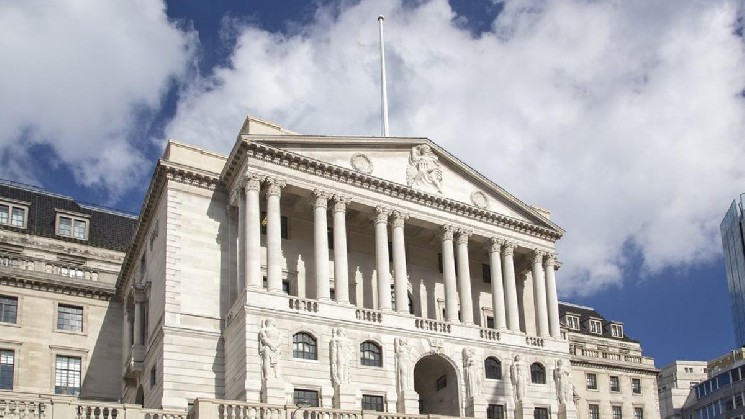
The Bank of England and its counterparts in Singapore and Thailand have demonstrated a method for making cross-border foreign exchange (FX) transactions safer and more efficient. The effort aims to address longstanding weaknesses in traditional financial infrastructure as stablecoins emerge as alternative payment rails.
Project Meridian FX APAC showed how transactions can be coordinated across conventional settlement systems and systems built with blockchain technology, without requiring institutions to adopt identical infrastructure, the Bank of England said on Friday.
The project tested payment-versus-payment (PvP) settlement, in which one currency changes hands only if the corresponding payment in another currency also takes place.
The experiment also tested multilateral netting, which allows banks to offset payment obligations instead of settling every transaction individually, thereby reducing their liquidity requirements.
The work comes as stablecoins increasingly offer an alternative to conventional cross-border payments, promising faster transfers and availability around the clock.
"Project Meridian FX APAC provides practical evidence of how synchronised settlement could help reduce risk and improve efficiency in cross-border FX transactions," said Tom Mutton, the Bank of England's executive director of payments, innovation and fintech.
The Bank of England plans to introduce a live synchronisation interface in 2028, although further work on legal arrangements, regulatory oversight and broader participation is needed before the technology can be deployed commercially.
banksStablecoins AI Disclaimer: Parts of this article were generated with assistance from AI tools and reviewed by our editorial team to ensure accuracy and adherence to our standards. For more information, see CoinDesk's full AI Policy.