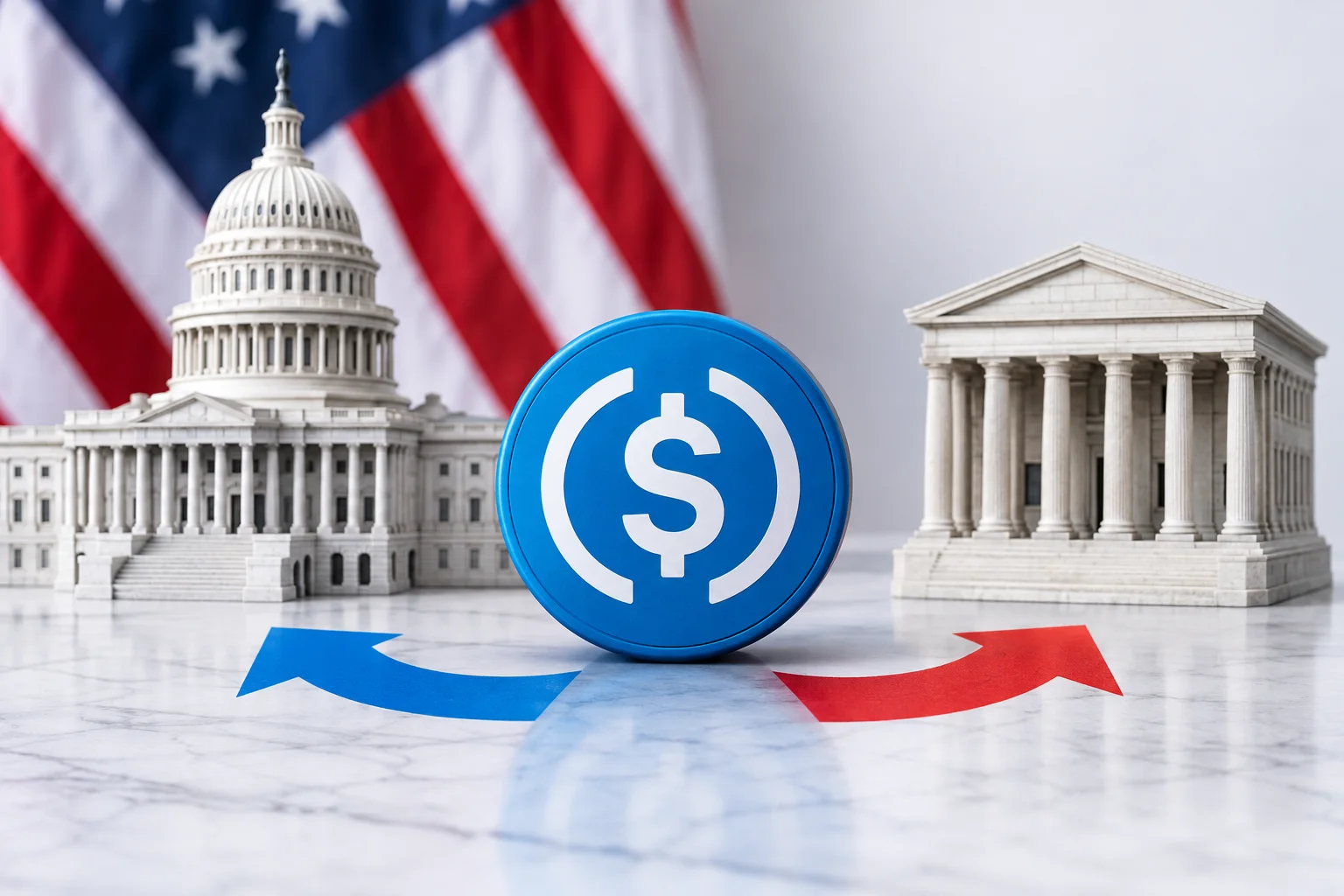
Senator Cynthia Lummis announced the $GENIUS Act, which aims to give stablecoin issuers a choice between state and federal charters. This dual-path approach could significantly affect how stablecoins are regulated in the U.S. Allowing state-level charters, the Act seeks to preserve flexibility during implementation. More details are available in Lummis’s official tweet.
What Happened
The $GENIUS Act marks a significant development in the regulatory landscape for stablecoins. Giving issuers a choice between state and federal charters encourages innovation while ensuring compliance with regulatory standards. Senator Lummis and fellow lawmakers are urging the Treasury to extend its proposed safe harbor to issuers with state charters. This step is critical to fostering an environment conducive to the growth of stablecoin ecosystems in the United States.
At a Glance
- Senator Lummis announced the $GENIUS Act on November 18, 2026. The Act lets stablecoin issuers choose between state and federal charters. It aims to provide regulatory clarity for stablecoin operations. Lawmakers are urging the Treasury to extend safe harbor to state issuers. This dual-path regulatory approach could increase market participation.
The $GENIUS Act is aimed at stablecoin issuers, a category growing in prominence in the cryptocurrency market. By offering a choice of charter, the legislation falls under Congress’s jurisdiction, which includes oversight of federal financial regulations. Its goal is to create a regulatory framework that supports innovation while protecting consumers and investors.
What Traders Are Watching Next
Traders should watch how the $GENIUS Act is implemented and consider its potential impact on stablecoin issuance. The flexibility it offers could increase competition and innovation in the sector. Investors will be watching for further details from the Treasury on safe harbor provisions. Responses from existing stablecoin operators will also be important in assessing the market’s direction after this regulatory shift.
This article is for informational purposes only and does not constitute financial advice.