
Close Menu
  • Coins
    • Bitcoin
    • Ethereum
    • Altcoins
    • NFT
  • Blockchain
  • DeFi
  • Metaverse
  • Regulation
  • Other
    • Exchanges
    • ICO
    • GameFi
    • Mining
    • Legal
  • MarketCap
What's Hot

Did SWIFT Just Validate the Interoperability Breakthrough That the XRP Ledger Built Years Ago?

26/06/2026

FTX exec’s wife scheduled for November trial on campaign finance charges

26/06/2026

What is proof of reserves? How exchanges prove they hold your crypto

26/06/2026
Facebook X (Twitter) Instagram
  • Back to NBTC homepage
  • Privacy Policy
  • Contact
X (Twitter) Telegram Facebook LinkedIn RSS
NBTC News
  • Coins
    1. Bitcoin
    2. Ethereum
    3. Altcoins
    4. NFT
    5. View All

    IB1T’s Rise Could Reshape Europe’s Battle for Institutional Bitcoin Capital

    26/06/2026

    Equity markets boom – What it means for Bitcoin’s next move

    26/06/2026

    Corrective Bounce in Play as Analyst Warns of Drop to $38K

    26/06/2026

    Experienced Analyst Identifies Two Resistance Levels for Bitcoin – “A Similar Pattern Has Been Seen Three Times Before in History”

    26/06/2026

    Experienced Analyst Sets $1,060 Target for Ethereum (ETH) and Predicts What Might Happen Next

    25/06/2026

    ‘Time to buy Ethereum?’ – Why whales are stacking ETH below $2K

    25/06/2026

    Lubin Hails Vitalik Buterin as Ethereum’s Most Important Steward Amid Sci-Fi Novel Commotion

    25/06/2026

    ETH Tests Key Support as RSI Hits Cycle Lows

    25/06/2026

    Did SWIFT Just Validate the Interoperability Breakthrough That the XRP Ledger Built Years Ago?

    26/06/2026

    Cardano Discord Proposal Sparks Backlash as Cyber Capital Founder Calls for Hoskinson’s Removal

    26/06/2026

    Santiment Reports UNI On-Chain Activity Surge After Standard Chartered’s $100 Price Target

    26/06/2026

    Worldcoin jumped 120%. Inside the Sam Altman identity bet

    26/06/2026

    Why is Pudgy Penguins (PENGU) Trending? What You Need to Know

    22/06/2026

    Top 10 NFT Performers by Trading Volume, Courtyard Outshines

    22/06/2026

    Pudgy Penguins expands retail footprint with Target trading card rollout

    20/06/2026

    Collectible NFTs in focus during nations 250th anniversary

    12/06/2026

    Did SWIFT Just Validate the Interoperability Breakthrough That the XRP Ledger Built Years Ago?

    26/06/2026

    FTX exec’s wife scheduled for November trial on campaign finance charges

    26/06/2026

    What is proof of reserves? How exchanges prove they hold your crypto

    26/06/2026

    IB1T’s Rise Could Reshape Europe’s Battle for Institutional Bitcoin Capital

    26/06/2026
  • Blockchain

    Manadia Joins Origins Network to Advance Scalable AI-Powered Blockchain Ecosystems

    26/06/2026

    MarsCat Joins Forces with Memo to Drive Web3 Data Insights and User-Friendly Experiences

    26/06/2026

    Ispoverse Taps 4AI BNB to Drive Decentralized AI Marketplaces on BNB Chain

    26/06/2026

    How Did Telegram Turn Its Messaging App Into a Crypto Gateway?

    26/06/2026

    Two Different Visions for a Multi-Chain World

    26/06/2026
  • DeFi

    AFX Launches Mainnet Points Program to Reward Real Traders, Liquidity Providers, and Communities

    25/06/2026

    Hashi Adds Cumberland, Fluid, and SwissBorg to Its Institutional Lineup Before Global Testnet

    25/06/2026

    Why Lido Just Revoked Canonical Status for wstETH Bridge Endpoints

    25/06/2026

    Aave could soar to $3,500 by 2030 on DeFi revival, says StanChart

    25/06/2026

    A Leading Global Bank Makes a Major Bull Run Prediction for Altcoin Shaken by a $290 Million Hack This Year!

    25/06/2026
  • Metaverse

    Is Solana Gaming Back? Kintara Activity Fuels Renewed Optimism in Onchain MMOs

    24/06/2026

    The Sandbox launches AI game engine ‘The Sandbox Studio’ for next-generation creators

    10/06/2026

    Meta commits $13M in funding for Oversight Board through 2028

    29/05/2026

    Why Animoca’s Yat Siu says the future is 100 billion AI agents

    07/05/2026

    ‘8,000 Jobs’—Polymarket Sees Tech Layoff Surge As Meta AI Push Bites

    18/04/2026
  • Regulation

    Crypto outflows are sentiment shock, not structural crisis: CoinShares’ Butterfill

    26/06/2026

    Equipment finance platform Trad.Fi to bring $650M in private credit onchain

    26/06/2026

    Robinhood secures underwriter status as crypto markets front-run mega IPOs

    26/06/2026

    Crypto Markets Slump in May as Quant Funds Stay Profitable

    26/06/2026

    ProShares Launches 2X SpaceX ETF On IPO Day

    26/06/2026
  • Other
    1. Exchanges
    2. ICO
    3. GameFi
    4. Mining
    5. Legal
    6. View All

    What is proof of reserves? How exchanges prove they hold your crypto

    26/06/2026

    Bybit to List CAP for Spot Trading on June 26

    26/06/2026

    Coinbase to List Spot CAP, Expanding Altcoin Offerings

    26/06/2026

    How crypto payment gateways are developing for mainstream e-commerce adoption

    26/06/2026

    ICO market slows sharply with only six completions in 2026

    30/04/2026

    South Korea Poised to Lift Ban on Domestic ICOs After 7 Years

    19/12/2025

    Why 2025’s Token Boom Looks Both Familiar and Dangerous

    31/10/2025

    ICO for bitcoin yield farming chain Corn screams we’re so back

    22/01/2025

    Nexus Acquires Homegrown App Marketplace One Store, Expanding into Global Web3 Game Hub

    21/06/2026

    GMATRIXS and Plum Protocol Partner to Blend GameFi with Meme Assets, Driving Multi-Chain Web3 User Experience

    16/06/2026

    Crypto game studio Uncharted to shutdown along with Fishing Frenzy

    15/06/2026

    Pudgy Penguins Halts Web3 Mobile Game Pudgy Party to Focus on Pudgy World

    14/06/2026

    Oman Requires Licensed Bitcoin Miners to Join National Pool

    26/06/2026

    GoMining mines first Stratum V2 Bitcoin block using DMND pool

    26/06/2026

    Bitplanet Signs Agreement with Antalpha to Launch Bitcoin Mining Operations

    26/06/2026

    Bitplanet’s Antalpha mining deal tests whether Bitcoin treasuries can grow without constant buying

    26/06/2026

    FTX exec’s wife scheduled for November trial on campaign finance charges

    26/06/2026

    FBI Sets Deadline for OneCoin Fraud Claims

    26/06/2026

    Russia creates crypto sanctions loophole, but cash-out routes remain ringfenced

    26/06/2026

    Grayscale Points to Top 15 Crypto Revenue Protocols Trading Cheap as CLARITY Act Nears

    26/06/2026

    Did SWIFT Just Validate the Interoperability Breakthrough That the XRP Ledger Built Years Ago?

    26/06/2026

    FTX exec’s wife scheduled for November trial on campaign finance charges

    26/06/2026

    What is proof of reserves? How exchanges prove they hold your crypto

    26/06/2026

    IB1T’s Rise Could Reshape Europe’s Battle for Institutional Bitcoin Capital

    26/06/2026
  • MarketCap
NBTC News
Home»Legal»Sen. Coons’ S. 4751 Could Limit Crypto Firms’ Ability To Challenge SEC
Legal

Sen. Coons’ S. 4751 Could Limit Crypto Firms’ Ability To Challenge SEC

NBTCBy NBTC16/09/2024No Comments7 Mins Read
Share
Facebook Twitter LinkedIn Pinterest Email


In July 2024, the U.S. Supreme Court’s decision in Corner Post, Inc. v. Board of Governors of the Federal Reserve System expanded the ability of plaintiffs to sue federal agencies. The Court ruled that the statute of limitations to challenge an agency action starts when the plaintiff is harmed, not when the action occurs.

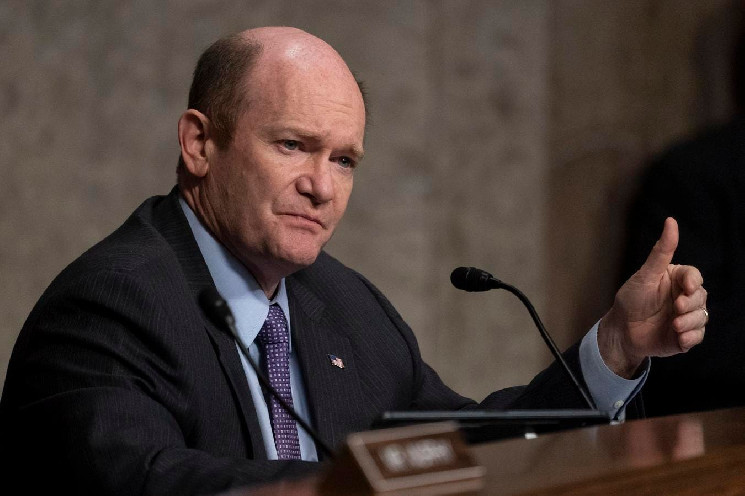
Justice Amy Coney Barrett’s decision extended the timeframe for companies to file lawsuits against regulations, allowing challenges long after the rules are issued. However, Senate bill 4751, the Agency Stability Restoration Act of 2024, sponsored by Sen. Chris Coons (D-DE), aims to limit this by setting a strict six-year statute of limitations from the date of the agency action, regardless of when harm occurs. Co-sponsors of the bill include Senators Dick Durbin (D-IL), Richard Blumenthal (D-CT), Mazie Hirono (D-HI), Cory Booker (D-NJ), Peter Welch (D-VT), and Sheldon Whitehouse (D-RI).

For the crypto industry, which has long been at odds with the Securities and Exchange Commission (SEC) under Chair Gary Gensler in particular, the bill could significantly impact its legal strategy. The industry’s ability to challenge SEC enforcement under the Administrative Procedure Act (APA) often hinges on demonstrating harm from the agency’s actions. If passed, the Act would require these challenges to happen quickly, potentially before the full effect of regulations is known.

The Corner Post Decision: Broadening The Right To Challenge

In Corner Post, a North Dakota truck stop challenged a 2011 Federal Reserve rule on debit card fees, even though it didn’t open until 2018. The key issue was whether the six-year statute of limitations started in 2011, when the rule was issued, or in 2018, when the business was affected. In a 6-3 decision, the Supreme Court ruled the clock starts only when the plaintiff suffers harm.

Justice Barrett, writing for the majority, called the case “straightforward,” explaining that a claim under the APA doesn’t begin until there’s a “complete and present cause of action.” Critics, like The Center for Progressive Reform, fear this decision will lead to lawsuits long after a rule is enacted, but Barrett argued that more time to sue doesn’t guarantee success.

In dissent, Justice Ketanji Brown Jackson, joined by Justices Sotomayor and Kagan, also warned of “staggering” consequences. She argued the ruling effectively erases meaningful statutes of limitations for challenging regulations, risking a flood of lawsuits against even long-standing rules, which could undermine government functioning.

For businesses, including those in the crypto industry, Corner Post could be seen as a win, allowing them greater flexibility to challenge older regulations as they feel the impact. However, this flexibility could end with the S. 4751.

The Agency Stability Restoration Act: Reversing Legal Flexibility

S. 4751aims to reinstate a strict six-year statute of limitations for challenging agency rules, starting from the date the rule is finalized. This change would prevent businesses from delaying lawsuits until they are harmed, instead requiring them to act within the six-year window following the rule’s issuance.

For the crypto industry, which has often found itself in prolonged battles with the SEC over digital asset regulation, the Act could complicate legal strategies. SEC Chair Gary Gensler has taken an aggressive approach, often relying on enforcement actions to interpret how existing securities laws apply to cryptocurrencies rather than issuing clear rules. This has led to what some companies view as punitive enforcement for behaviors that weren’t explicitly prohibited at the time.

Currently, crypto firms can challenge SEC actions whenever they experience harm, even if years after a rule was issued. Under the new Act, they would need to file lawsuits within six years of a rule’s publication, regardless of when they are directly affected.

Implications For The Crypto Industry’s Legal Strategy

The passage of S. 4751 could force the crypto industry to significantly rethink its approach to legal challenges involving SEC regulations. By narrowing the window for lawsuits, the Act could increase pressure on businesses to act quickly, which could have several key impacts:

Faster Litigation: The Act could compel crypto companies to file lawsuits preemptively, even before they fully understand how a rule impacts their business. This may lead to a surge in litigation based on potential harms rather than actual injuries, creating legal risks if cases are deemed premature. For example, Consensys sued the SEC preemptively, challenging what the company argues is regulatory over-reach and demanding regulatory clarity.

Limited Long-Term Challenges: By enforcing a six-year statute of limitations, the Act would prevent challenges to older regulations that may still affect companies. This limitation could be particularly problematic for businesses that need more time to assess the full consequences of SEC rules. Previously, under the Corner Post ruling, the window to sue opened only when harm was experienced; now, the clock would start immediately after the rule is issued.

Impact on Innovation: Facing a rigid timeframe for legal challenges, companies may feel pressured to file lawsuits without fully understanding the long-term effects of a regulation. This could stifle innovation, particularly for smaller startups that lack the resources to engage in constant legal battles. The combined pressure from the SEC’s aggressive enforcement tactics and the restrictions of the new Act could heighten these risks.

More Aggressive SEC Enforcement: With companies needing to act within a specific timeframe, the SEC might ramp up its enforcement actions. Coupled with recent court rulings limiting the deference given to agency interpretations of their own rules, the crypto industry could face an increase in lawsuits, while the SEC moves more aggressively within the six-year window.

A Silver Lining?: Regulatory Certainty

While the Agency Stability Restoration Act poses challenges, some argue that it could bring regulatory certainty. By establishing a clear timeframe for legal challenges, businesses may find it easier to navigate compliance and avoid the threat of lawsuits decades after a rule is issued.

For the broader financial system, including the crypto industry, having a defined period for legal challenges offers clear parameters for compliance and business planning. Rather than living with the uncertainty of open-ended lawsuits, companies can operate with a better sense of the rules and how long they will remain stable.

This regulatory certainty could also encourage earlier and more proactive engagement with regulators. By engaging sooner, companies might help shape clearer, more appropriate rules, potentially reducing the need for litigation down the road.

A Balanced Middle Ground?

To balance the need for regulatory certainty with the realities of industries like crypto, which often face evolving regulations, a more nuanced approach might include:

  • Tiered Statute of Limitations: A shorter timeframe (3-4 years) for procedural challenges, and a longer period (8-10 years) for lawsuits based on actual harm experienced.
  • Clear Guidelines from Agencies: Agencies like the SEC could issue clearer guidelines and create safe harbors to protect companies that act in good faith from retroactive enforcement actions.
  • Pre-Enforcement Review: Implementing a review mechanism before rules take effect could allow industries to provide input on potential impacts before compliance becomes mandatory.
  • Sunset Provisions: Regulations could include mandatory reviews after a set period (e.g., 5-7 years) to reassess their relevance and impact on industries like digital assets.
  • Alternative Dispute Resolution (ADR): An ADR mechanism could offer a quicker, less costly way to resolve regulatory disputes without involving lengthy litigation.

This balanced approach could provide regulatory certainty while allowing time for innovative industries like digital assets to adapt, challenge, and collaborate on regulations that impact their growth.

S. 4751, if ultimately enacted, could dramatically change the legal landscape for the crypto industry by limiting the window for challenging SEC actions. If passed, companies will need to act quickly to protect their interests, which could increase legal costs and stifle innovation. As the industry continues to battle against regulation by enforcement, the need for clear, forward-thinking regulations is more urgent than ever.

Share. Facebook Twitter Pinterest LinkedIn Tumblr Email
NBTC

NBTC is the editorial account for NBTC News, covering Bitcoin, Ethereum, DeFi, blockchain infrastructure, exchanges, mining, regulation and digital asset markets. The editorial team focuses on clear sourcing, timely updates and practical context for crypto readers.

Related Posts

FTX exec’s wife scheduled for November trial on campaign finance charges

26/06/2026

FBI Sets Deadline for OneCoin Fraud Claims

26/06/2026

Russia creates crypto sanctions loophole, but cash-out routes remain ringfenced

26/06/2026

Grayscale Points to Top 15 Crypto Revenue Protocols Trading Cheap as CLARITY Act Nears

26/06/2026
Add A Comment

Comments are closed.

Top Posts
Get Informed

Subscribe to Updates

Get the latest news from NBTC regarding crypto, blockchains and web3 related topics.

Your source for the serious news. This website is crafted specifically to for crazy and hot cryptonews. Visit our main page for more tons of news.

We're social. Connect with us:

Facebook X (Twitter) LinkedIn RSS
Top Insights

Did SWIFT Just Validate the Interoperability Breakthrough That the XRP Ledger Built Years Ago?

26/06/2026

FTX exec’s wife scheduled for November trial on campaign finance charges

26/06/2026

What is proof of reserves? How exchanges prove they hold your crypto

26/06/2026
Get Informed

Subscribe to Updates

Get the latest news from NBTC regarding crypto, blockchains and web3 related topics.

Type above and press Enter to search. Press Esc to cancel.