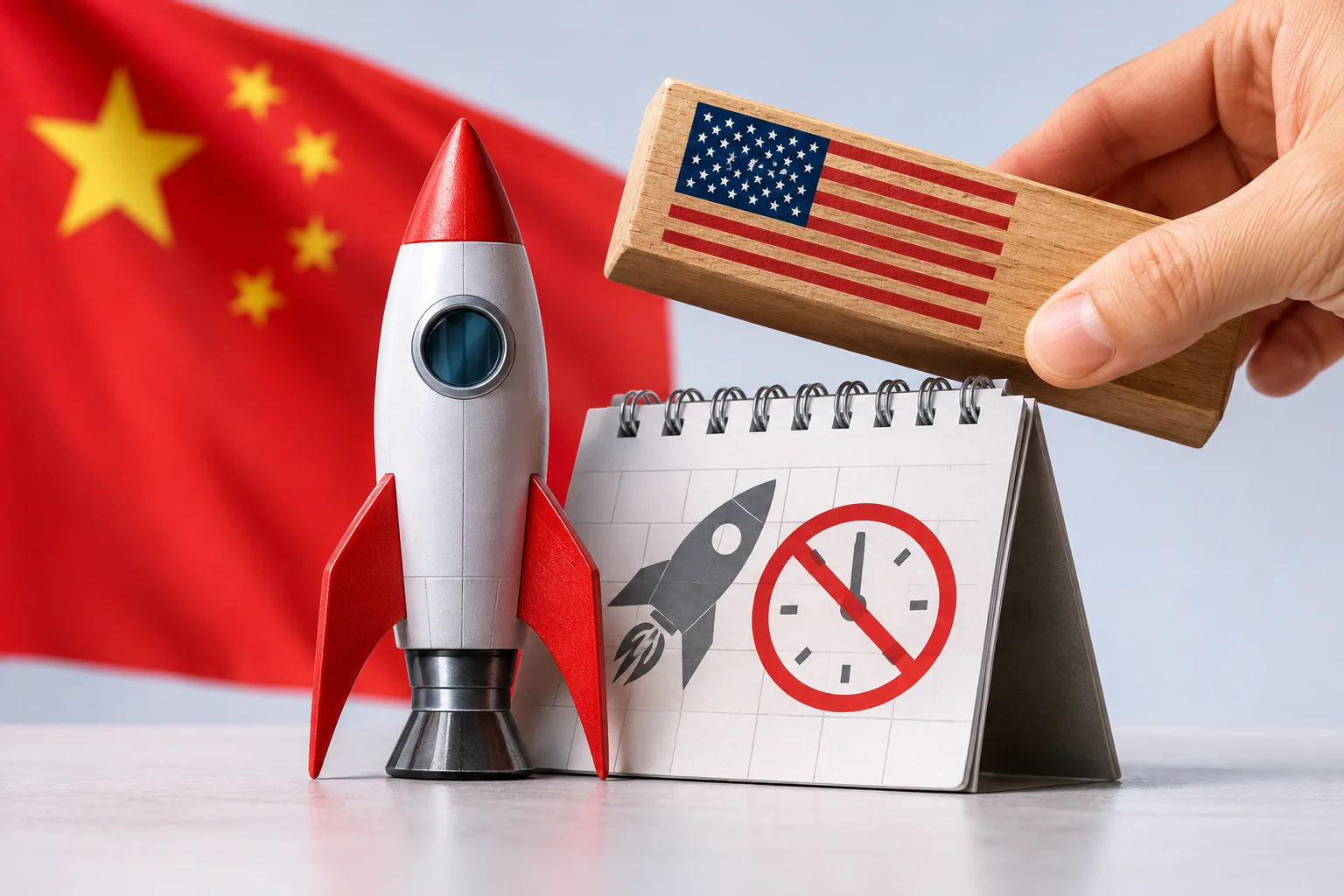
The schedules for some Chinese models could be disrupted by US restrictions on computing capacity and efforts to protect models. According to a report published on November 26, Z.AI could delay the launch of GLM-5.5, which was initially expected in November, until 2027. This is a reported scenario, not a confirmed release date.
Timelines Remain Uncertain
Moonshot AI’s timeline could also stretch out: the interval between its major launches could increase from 6 to 12 months, or even longer. This is presented as a possibility, with no new launch date announced. The 2 cases cited therefore point to potential delays, not launches already postponed according to an established schedule.
The new US restrictions took effect on November 19 and limit access to certain computing capacities located abroad. At the same time, OpenAI and Anthropic are stepping up efforts to combat unauthorized distillation of their models. These points describe constraints and ongoing efforts; on their own, they do not make it possible to measure their concrete effect on the development of Chinese companies.
The Cost of the Models in Question
Price is another factor in the competition. David Abitbol, Revolut’s chief operating officer, said the bank’s bill had been reduced by about 10 times by using Chinese models rather than those from Anthropic or OpenAI. This comparison, reported by Abitbol, illustrates the cost gap he attributes to these choices; it does not provide information about the costs of all companies or all models.
Possible Long-Term Consequences
The article argues that the restrictions could also encourage Chinese investment in domestic semiconductors and in training methods that require less computing power. It points to a risk for US chipmakers such as Nvidia, as well as possible fragmentation of the global artificial intelligence market. These scenarios are the author’s projections, not outcomes already observed.
The timelines for Z.AI and Moonshot AI therefore remain conditional, while the possible effects of the restrictions on investment, chipmakers and the structure of the market remain prospective. The reported information confirms neither a launch actually postponed until 2027 nor a shift already observed toward 2 separate markets.