“The President’s Interested in It”
Witt, who left his post as executive director of the White House crypto council in October to join the private sector, made the comments on the What Bitcoin Did podcast, saying:
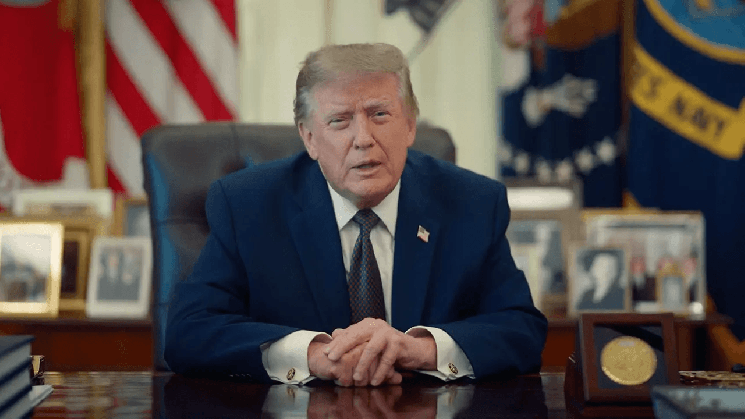
I can tell you the president’s interested in it. There has been a lot of discussion about how we might be able to do that.
A March 2025 executive order established the reserve by pooling bitcoin the government had already seized, and directed the Treasury and Commerce departments to identify acquisition strategies that are “budget neutral.” No such strategy has been made public, and no open-market purchase has been announced.
The Legal Wall
Witt was frank about the obstacle, stating:
” [It is] of questionable legality whether or not there could be outright open market purchases because Congress controls federal spending.”
Lawmakers have already moved to shut that door. Witt said concerns about purchases “led Congress to actually put a rider in the NDAA that says you cannot do this,” referring to the National Defense Authorization Act (NDAA). “We’re trying to get to the place where it is permitted and where the authority is granted,” he added.
Making the reserve permanent is an even steeper climb, Witt noted:
It’s going to be hard. It’s going to be really hard. Passing a standalone bill around that is going to be incredibly difficult with a divided Congress.
Finally, he said he would struggle to picture Democrats passing such a measure, and warned that without legislation the reserve rests on executive orders that a future president could reverse. Undoing a predecessor's orders, he cautioned, is “one of the first things they do.”
The Political Map Just Got Tougher
The interview came days after the Nov. 3 midterms, in which Democrats won both chambers of Congress. Galaxy Research has since flagged new risks for the industry, and Bitcoin.com News reported that Elizabeth Warren, one of crypto's toughest critics, is set to chair the Senate Banking Committee.
The White House has also been reviewing SEC crypto rules following the vote, while the CLARITY Act remains stalled in the Senate.
Not everyone has given up on the reserve, however. Strategy Executive Chairman Michael Saylor linked wins from both parties to bitcoin reserves after the election, arguing that support for sovereign bitcoin holdings transcends party lines.
Why Bitcoin Traders Are Listening
The comments come as bitcoin's troubles continue to mount, with the asset trading near $73,600 on Nov. 11 after crashing to $72,787 following a hotter-than-expected U.S. consumer price index (CPI) reading, which pushed rate markets toward pricing in a December Federal Reserve hike.
Any sign that Washington could become a buyer would be a major catalyst. Other signals to watch include any guidance from the Treasury on budget-neutral acquisition methods, the fate of the NDAA rider in the next defense bill, and whether a lame-duck Congress takes up digital asset legislation before Democrats assume control in January. Interesting times ahead, to say the least.
Add A Comment
Comments are closed.