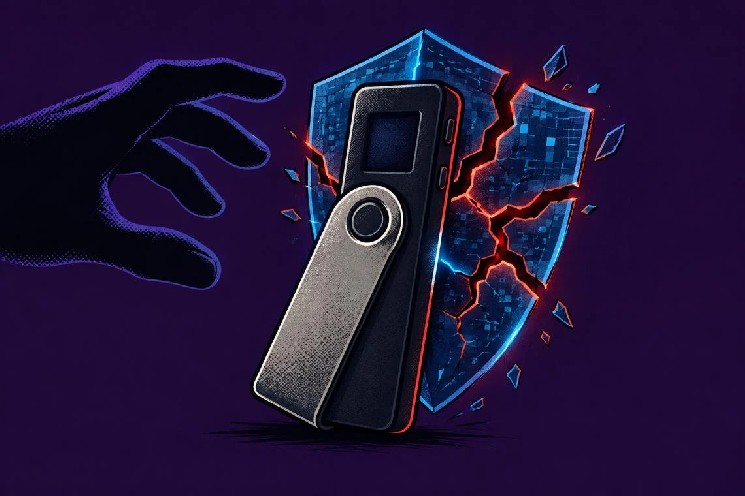
Holding bitcoin directly in a wallet, compared with financial products such as ETFs, has reopened the debate over how best to protect so-called “physical bitcoin”.
The choice between holding private keys and the convenience of listed products raises important questions about security, sovereignty and risk management.
What physical bitcoin is and what custody options exist
The concept of physical bitcoin describes an approach based on direct self-custody of the digital currency. In this model, the user personally keeps the private keys needed to authorize transactions on the blockchain.
Storage typically takes place on dedicated hardware devices or media not connected to the internet, known as cold wallets (such as Ledger or Trezor). This method differs from investing through derivatives or exchange-traded funds such as ETFs.
In recent years, market growth has introduced regulated products that shift the burden of custody to specialized third‑party entities.
The choice between managing hardware yourself and relying on centralized structures sits at the heart of the debate, affecting both private users and institutional investors.
Comparing hardware self-custody with spot ETFs
The choice between self-custody and listed instruments involves conflicting views on what security means. Anthony Pompliano has argued in favor of spot ETFs.
According to Pompliano, a spot ETF represents the safest choice for those holding between 10,000 and 10 million dollars in bitcoin.
Managing large sums independently through physical wallets can expose users to significant operational risks.
These include losing keys, mistyping addresses or device vulnerabilities. Exchange-traded funds offer a regulated structure with security controls run by professional intermediaries.
Supporters of self-custody, however, argue that delegating custody to third parties undermines financial sovereignty. Without possession of their own private keys, holders depend entirely on the proper functioning of the designated custodian.
Technical risks of wallets and custody concentration in ETFs
Using physical devices for self-custody requires constant attention to supply chain security. Cold wallet makers have recently faced significant security problems.
Trezor warned about a malicious hardware implant found in a Safe 5 model. The device had been bought from a former unauthorized reseller.
At the same time, Keystone announced it would destroy 18,835 hardware wallets after a cryptographic key used to verify the devices’ authenticity was stolen.
Centralized custody run by ETFs also carries elements of systemic vulnerability. BlackRock’s IBIT fund relies on Coinbase as its sole custodian, which holds a total of 815,000 bitcoin for the fund. Critics stress that such concentration creates a critical single point of failure for the entire system.
Operational limits of ETFs compared with direct holding
Access to network features differs substantially between fund shares and actual ownership of the currency. ETF shareholders cannot move bitcoin on the blockchain, and investors in exchange-traded funds cannot use the cryptocurrency to make direct payments.
Shareholders also face strict timing constraints. Buying or selling can only take place during the opening hours of traditional stock markets.
By contrast, managing physical bitcoin through a personal wallet allows full operability at any time, enabling immediate transfer of value without the mediation of stock market calendars.
On 10 November 2026, U.S. spot bitcoin ETFs saw outflows of 1.28 billion dollars over the past week.
Frequently asked questions
Does owning physical bitcoin guarantee full control of private keys?
Self-custody on hardware devices allows the holder to keep private keys directly. This makes it possible to carry out blockchain transactions without depending on centralized intermediaries or stock market hours.
What advantages and risks does a spot bitcoin ETF offer?
A spot ETF simplifies access to investment by removing the technical management of cold wallets. However, investors cannot perform on-chain transactions. In addition, custody of the 815,000 bitcoin held by BlackRock’s IBIT fund is concentrated with a single custodian.
What security issues have recently emerged for hardware wallets?
Trezor detected a malicious implant in a Safe 5 model bought from a former reseller. Separately, Keystone decided to destroy 18,835 wallets after a key used to verify the devices’ authenticity was compromised.
Can bitcoin ETFs be used to make direct payments?
An ETF share is a financial instrument that tracks the value of the asset without allowing its direct use. Shareholders cannot send transactions on the blockchain network or use the funds for payments.
Content created with the assistance of artificial intelligence and human editorial review.
Add A Comment
Comments are closed.