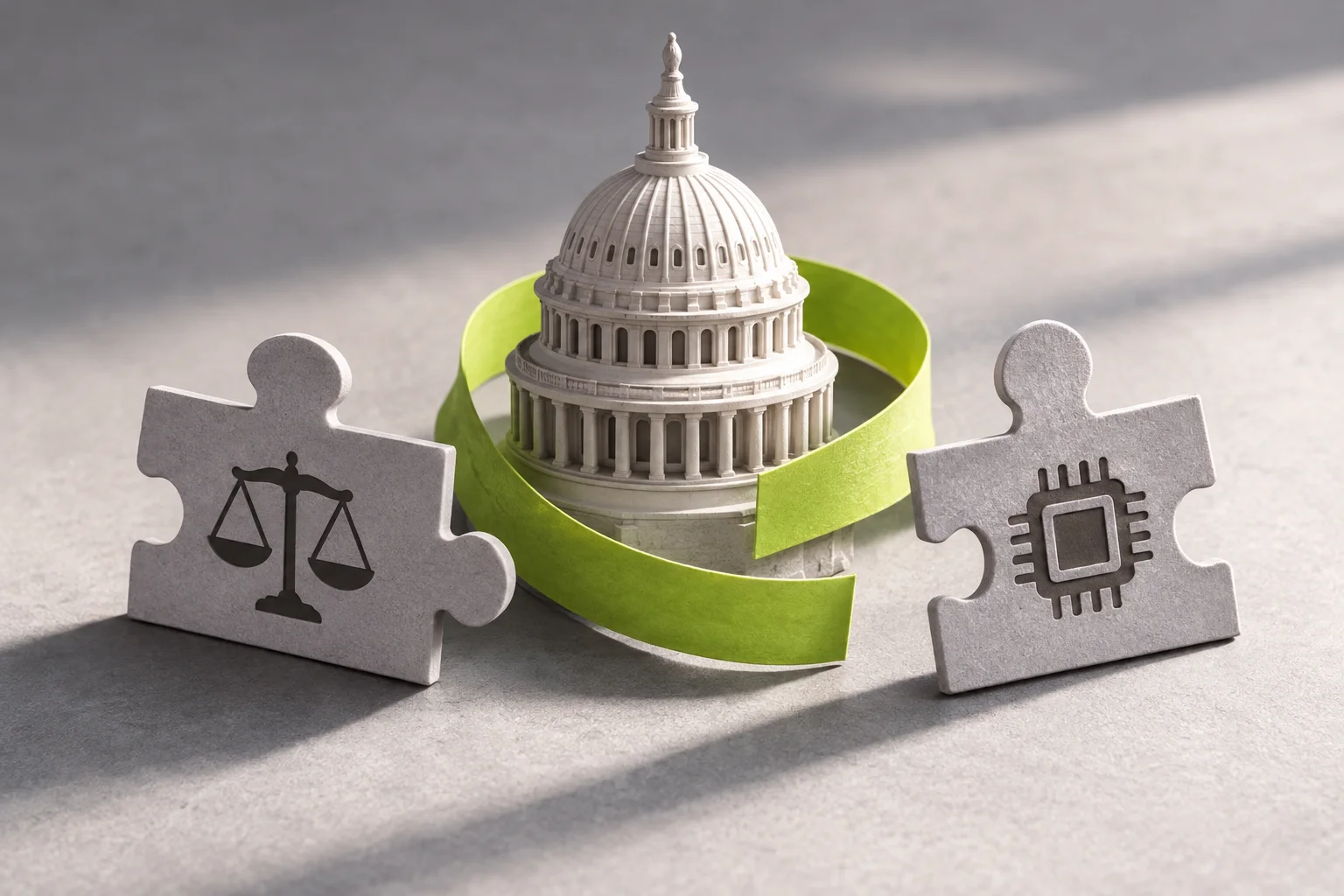
About one in four members of the next Congress will be new to the job. Kristin Smith sees that as good news for crypto.
Speaking at the Solana Breakpoint conference on November 16, 2026, Smith said the incoming class, especially younger Democrats who previously voted for the $GENIUS Act and the CLARITY Act, presents an opportunity for the industry. Smith is president of the Solana Policy Institute and interim CEO of the Blockchain Association. Her message was optimistic, with a homework assignment attached.
A new class with a familiar voting record
Smith spoke less than two weeks after the November 3, 2026 midterm elections, in which Democrats regained control of both the House and the Senate.
The change in control will reshape who sets the agenda when the new Congress convenes in January 2027. About 25% of its members will be serving for the first time.
Smith noted that 18 Democrats supported the $GENIUS Act. She also said more than 70 Democrats voted for the CLARITY Act when it passed the House.
Where $GENIUS and CLARITY stand
The $GENIUS Act was signed into law on July 18, 2025. It established a legal framework for stablecoins, dollar-pegged tokens that serve as plumbing for crypto trading and payments.
The CLARITY Act passed the House in July 2025 by a vote of 294–134. The Senate was less receptive. On September 15, 2026, the bill failed a cloture vote, 49–50.
The CLARITY Act has since stalled, while the SEC and the CFTC have put forward proposals on crypto asset frameworks and modernization.
Why Smith is framing this as a moment
At Breakpoint, Smith argued that advocates for digital asset infrastructure are well positioned for the coming session. The large incoming class gives them a sizable audience whose views on crypto may not yet be settled.
Smith also emphasized developer protections and a collaborative approach to regulation. Her dual role is relevant: as head of a Solana-focused policy group and interim chief of one of the largest crypto trade associations, she represents both one ecosystem and the wider industry.
What this means
Stablecoins now have a statutory framework under $GENIUS. The rest of the market still depends heavily on proposals from the SEC and CFTC. Without a market structure law, rules for trading and token classification could change whenever leadership at those agencies changes.
There are reasons to be cautious about Smith’s assessment. The 18 Democrats who supported $GENIUS and the more than 70 who backed CLARITY in the House voted under a different majority and political calendar. About a quarter of Congress will take office in January 2027 without any crypto voting record.
Several developments are worth watching: who takes over the relevant committees in both chambers, whether CLARITY is reintroduced and how its language changes, and whether the younger Democrats Smith highlighted become co-sponsors or remain quiet.