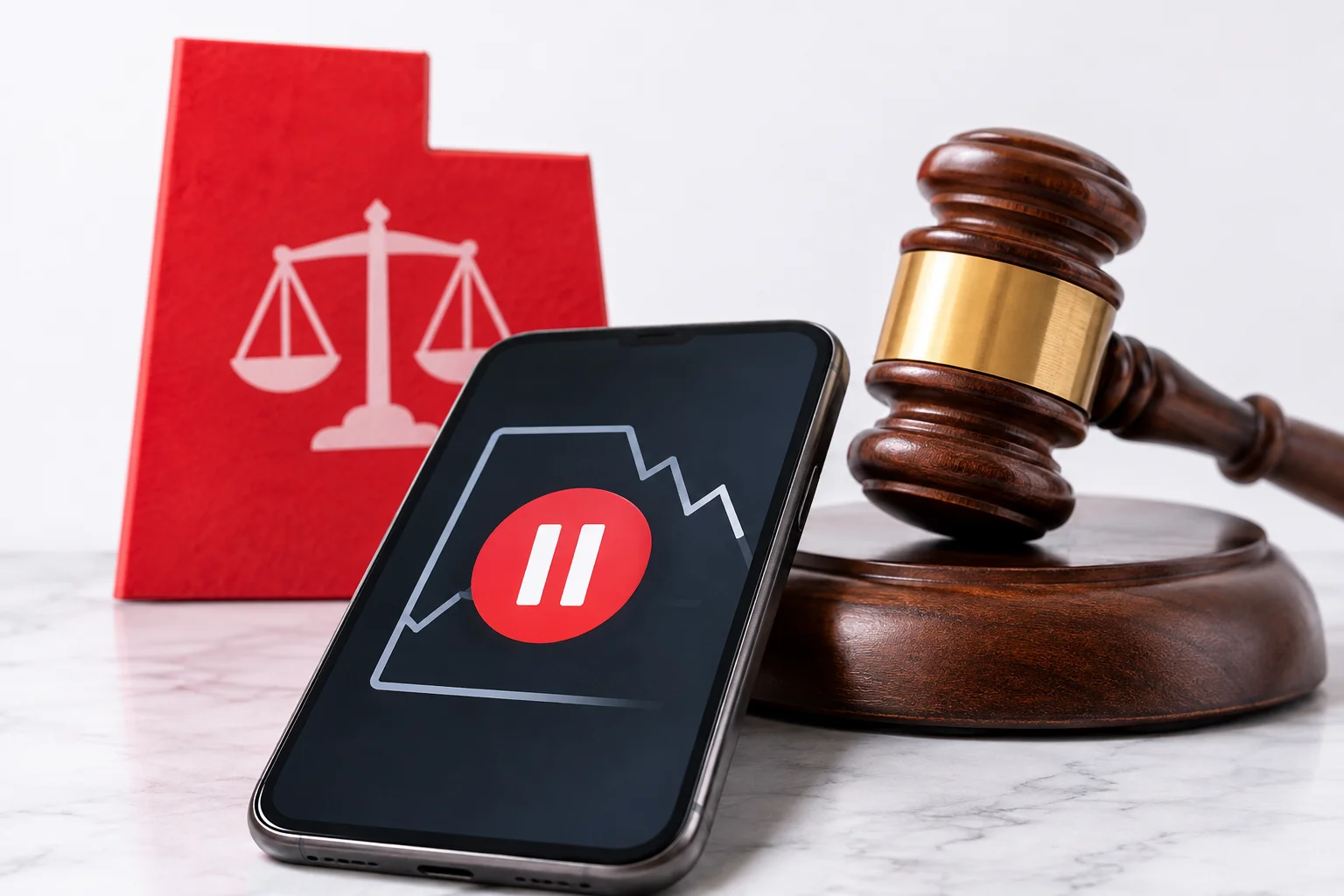
Kalshi has stopped offering its prediction markets in Utah, affecting more than 177,000 users. Users can no longer place new bets but can still close existing bets and withdraw their money, according to Kalshi spokesperson Jacki McGavick.
Why Kalshi backed off
The move follows an August ruling by US District Judge Robert J. Shelby, who rejected Kalshi's lawsuit against Utah and ruled the state could act against Kalshi for allowing bets on elections, sports, weather and other future events. McGavick said Kalshi "made the difficult decision" to stop operating in the state while a separate case involving the CFTC remains in court, and said the company hopes to return once the courts rule in its favor.
The CFTC and state gambling laws
The Commodity Futures Trading Commission (CFTC) has sued Utah, arguing that only the federal agency can regulate prediction markets. At a hearing on November 20, Shelby suggested that companies like Kalshi still have to follow state gambling laws. Crypto.com also sued Utah in November, and Shelby has combined the cases.
Criminal charges and wider litigation
Utah Attorney General Derek Brown has accused Kalshi co-founders Tarek Mansour and Luana Lopes Lara of breaking gambling laws, with 14 charges including 13 felonies. Separately, on November 18, a federal appeals court ruled 2-1 that Maryland could apply its sports betting laws to Kalshi.
Two other federal appeals courts have ruled against Kalshi, while another has ruled in its favor, which could lead to a Supreme Court case on whether states or the federal government should control prediction markets.