

The second priority is the creation of legal mechanisms for the return of stolen assets. The NCA proposes to establish that reissuing a payment stablecoin to replace one that was stolen or mistakenly transferred, by court decision, is fully legal and falls under the “except as required by a lawful order” exception.
The freezing procedure itself is proposed to be synchronized with FinCEN standards, obliging issuers to promptly notify affected users.
The third set of rules draws a firm line between custodial services and software developers. Providers of non-custodial wallets and interfaces that merely display a balance and do not control access keys cannot be recognized as intermediaries or sellers.
According to the NCA’s position, any direct P2P transfers, transactions between individuals’ own accounts, and operations within personal wallets must remain strictly outside the agency’s restrictions, guaranteeing the right to “self-custody plus peer-to-peer transfers.”
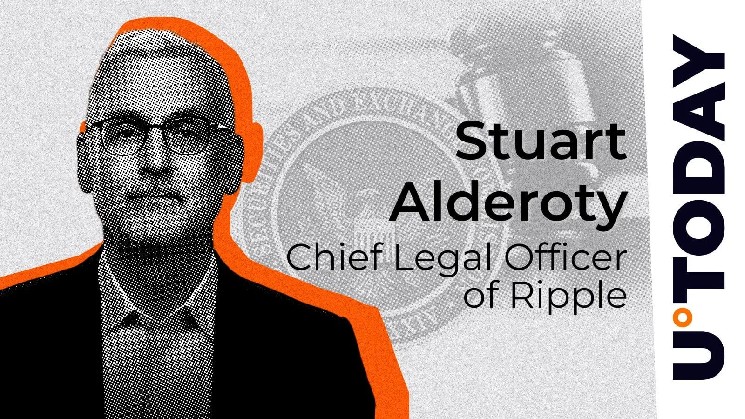
The $GENIUS Act established the framework. Now, Treasury’s rules must ensure that Americans are not stranded holding stablecoins if regulations change, have pathways to recover stolen funds, and can self-custody if they choose.
— Stuart Alderoty (@s_alderoty) October 19, 2026
The filing of this document moves the dialogue between the crypto industry and U.S. regulators onto a pragmatic track. By outlining the boundaries of a technological compromise, big business has effectively placed responsibility for the stability of the retail market on the Treasury Department, which must now decide how strict the final rules will be.
