
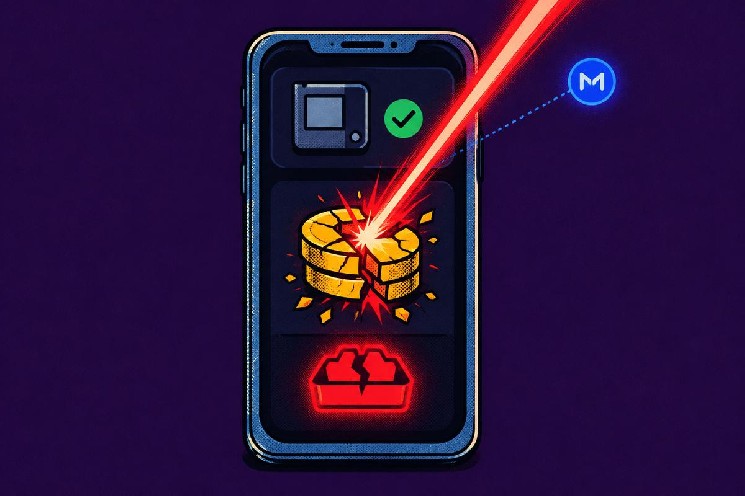

The interface supports desktop and mobile, removing the need to use a separate DeFi dashboard for borrowing and managing positions. Users select a collateral and loan pair, enter amounts and choose a loan-to-value ratio, or LTV—the debt measured against the collateral’s value.
Borrowers can monitor their positions, add collateral and make repayments inside the app. Access depends on eligibility and regional restrictions; Ledger directs users to check availability within the app.
Morpho handles lending, Yield.xyz connects the interface
Morpho’s isolated lending markets hold pledged collateral and handle interest and position accounting. Yield.xyz connects that infrastructure to Ledger Wallet, while Ledger describes its role as a technology provider, not the lender.
Ledger’s crypto loans extend an existing relationship with Morpho. The protocol says the feature follows Stablecoin Earn, launched last year, and that stablecoins deposited through Earn provide liquidity that borrowers can access.
Ledger had outlined Crypto Loan in its October 7 release notes before the October 21 rollout announcement.
Hardware signing does not override loan rules
Hardware wallet signing protects transaction authorization, but it does not prevent Morpho contracts from liquidating collateral. Once pledged, the tokens move into smart contracts rather than remaining freely spendable in the wallet.
Ledger says the hardware signer displays approvals, collateral deposits, borrowing, repayments and withdrawals in human-readable form before users authorize them.
Each lending market has fixed parameters covering its collateral token, loan token, price oracle and liquidation LTV threshold. If a position exceeds that threshold, Morpho allows external liquidators to repay some or all of the debt in return for collateral plus a liquidation bonus. Falling collateral prices or accumulating interest can make a position eligible.
Borrowing costs are not fixed: variable interest rates respond to utilization in the underlying market.
Ledger’s guide also notes that wrapping Bitcoin introduces a custodian and a conversion step. It identifies smart-contract bugs and oracle failures as factors that can affect collateral.
Article produced with the assistance of artificial intelligence and reviewed by the editorial team.
