
Close Menu
  • Coins
    • Bitcoin
    • Ethereum
    • Altcoins
    • NFT
  • Blockchain
  • DeFi
  • Metaverse
  • Regulation
  • Other
    • Exchanges
    • ICO
    • GameFi
    • Mining
    • Legal
  • MarketCap
What's Hot

Amundi tokenized fund SAFO signals adoption of on-chain asset management

20/03/2026

Evegny Gokhberg: Market neutral DeFi strategies are essential for volatility, why diversification isn’t enough to manage risks, and the future of capital in DeFi

20/03/2026

Ethereum price outlook as network activity reaches record levels

20/03/2026
Facebook X (Twitter) Instagram
  • Back to NBTC homepage
  • Privacy Policy
  • Contact
X (Twitter) Telegram Facebook LinkedIn RSS
NBTC News
  • Coins
    1. Bitcoin
    2. Ethereum
    3. Altcoins
    4. NFT
    5. View All

    Price Breaks All-Time High Record Again – Here’s What We Know

    04/08/2025

    Bitcoin Switzerland? El Salvador to Host First Fully Native Bitcoin Capital Markets

    04/08/2025

    Bitcoin Breaks $119K, but XLM and HBAR Aren’t Impressed by Its Meager Percentage Gain

    04/08/2025

    High-Stakes Consolidation Could Define Q3 Trend

    04/08/2025

    Ethereum price outlook as network activity reaches record levels

    20/03/2026

    Ethereum Whale Buys $100 Million ETH as On-Chain Activity Hits Record Highs

    20/03/2026

    Ethereum Is Still Winning the Tokenization Race

    20/03/2026

    Ethereum Participation Tops 2021 Bull Market, Yet Price Tells a Different Story

    20/03/2026

    The Sui Ecosystem’s Top 3 Altcoin Performers

    29/07/2025

    Floki Launches $69000 Guerrilla Marketing Challenge With FlokiUltras3

    28/07/2025

    Crypto Beast denies role in Altcoin (ALT) crash rug pull, blames snipers

    28/07/2025

    $1.6 Billion XRP Surge: Here’s What’s Unfolding

    28/07/2025

    OpenSea token delay highlights tough conditions for 2026 NFT airdrop cycle

    18/03/2026

    The Solana NFT Marketplace at a Crossroads

    15/03/2026

    Top NFT Sales of the Week, Flying Tulip Sale Tops

    15/03/2026

    Pudgy Penguins ($PENGU) Dominates the Top NFT Projects by Social Activity

    13/03/2026

    Amundi tokenized fund SAFO signals adoption of on-chain asset management

    20/03/2026

    Evegny Gokhberg: Market neutral DeFi strategies are essential for volatility, why diversification isn’t enough to manage risks, and the future of capital in DeFi

    20/03/2026

    Ethereum price outlook as network activity reaches record levels

    20/03/2026

    Kraken sponsors Trump Accounts in Wyoming, citing crypto alignment

    20/03/2026
  • Blockchain

    Amundi tokenized fund SAFO signals adoption of on-chain asset management

    20/03/2026

    Apex and Polygon launch compliance chain for tokenized RWAs

    20/03/2026

    Bitcoin finance protocol Hashi launches on Sui with BitGo, FalconX backing

    20/03/2026

    AlloX Integrates SWFT Blockchain to Enhance AI Driven Capital Allocation

    20/03/2026

    YOM Set to Launch on TrustSwap, Expanding Push Into Decentralized Cloud Gaming

    20/03/2026
  • DeFi

    Evegny Gokhberg: Market neutral DeFi strategies are essential for volatility, why diversification isn’t enough to manage risks, and the future of capital in DeFi

    20/03/2026

    NetX Joins GANA to Advance Web3 Payments with PayFi Innovation

    20/03/2026

    River Partners With Stargate Finance To  Expand satUSD Stablecoin DeFi Cross-Chain Capabilities, Supported by LayerZero Interoperability 

    20/03/2026

    SafePal Integrates Uniswap to Enhance with in-Wallet Swaps

    20/03/2026

    Coinshares Debuts Regulated DeFi and RWA Yield Strategy With Railnet

    20/03/2026
  • Metaverse

    Land values capitulate as $24M metaverse plot collapses to just $9,000

    20/03/2026

    Meta to shutter Horizon Worlds metaverse on VR in favor of mobile

    18/03/2026

    Meta expands AI agent push with Moltbook acquisition

    10/03/2026

    ‘The Sandbox’ Adds Web-Based Games in Season 7 Accessibility Push

    24/02/2026

    AMD jumps as Meta signs multiyear AI infrastructure partnership

    24/02/2026
  • Regulation

    Kraken sponsors Trump Accounts in Wyoming, citing crypto alignment

    20/03/2026

    Crypto CEO Explains How the Wealthy Use Assets Like XRP to Build Long-Term Wealth Without Selling

    20/03/2026

    Stablecoins gain ground for paychecks and daily spending: BVNK report

    20/03/2026

    Why Is BTIG So Confident About Strategy As It Sets A $250 Price Target?

    20/03/2026

    Are Digital Yuan And Crypto Deals Reshaping Asia?

    20/03/2026
  • Other
    1. Exchanges
    2. ICO
    3. GameFi
    4. Mining
    5. Legal
    6. View All

    Ripple targets April for Australian financial license via acquisition

    20/03/2026

    Circle Launches Nanopayments on Testnet

    19/03/2026

    Strategic Expansion Brings Internet Computer to South Korea’s Premier Exchange

    19/03/2026

    DOJ investigates Binance transactions suspected of funding Iran proxies

    19/03/2026

    South Korea Poised to Lift Ban on Domestic ICOs After 7 Years

    19/12/2025

    Why 2025’s Token Boom Looks Both Familiar and Dangerous

    31/10/2025

    ICO for bitcoin yield farming chain Corn screams we’re so back

    22/01/2025

    Why 2025 Will See the Comeback of the ICO

    26/12/2024

    Dan Houser: “Goodfellas” revolutionized cinema and storytelling

    19/03/2026

    Pudgy Penguins Launched A New Game. Crypto Scammers Made A Fake Version

    18/03/2026

    PlaysOut and Ads3 Ally to Enhance User Acquisition in Web3 Games

    18/03/2026

    6 Best Crypto Games For Android in 2026

    12/03/2026

    Fred Thiel: AI’s energy hunger reshapes bitcoin mining dynamics

    20/03/2026

    AI Data Centers Outpay Bitcoin Mining, Triggering Major Industry Shift

    20/03/2026

    Russia’s push for AI expansion threatens to undermine crypto mining

    19/03/2026

    Bitcoin Miners Catch a Break While Revenues Stay Ugly

    19/03/2026

    Edward Woodford: The crypto industry is overly focused on interest rates, accountability in AI is crucial for trust, and regulatory clarity is essential for market stability

    20/03/2026

    Peter Van Valkenburgh: Crypto’s regulatory landscape mirrors unregulated sports betting, the Blockchain Regulatory Certainty Act clarifies crypto jurisdiction, and why decentralized systems are essential for AI development

    19/03/2026

    Chris Giancarlo: Legislative clarity is vital for crypto’s future

    19/03/2026

    Chris Giancarlo: Political processes are reshaping crypto regulation, traditional finance needs clarity urgently, and prediction markets will transform decision-making

    19/03/2026

    Amundi tokenized fund SAFO signals adoption of on-chain asset management

    20/03/2026

    Evegny Gokhberg: Market neutral DeFi strategies are essential for volatility, why diversification isn’t enough to manage risks, and the future of capital in DeFi

    20/03/2026

    Ethereum price outlook as network activity reaches record levels

    20/03/2026

    Kraken sponsors Trump Accounts in Wyoming, citing crypto alignment

    20/03/2026
  • MarketCap
NBTC News
Home»NFT»Exploring Bitcoin Ordinals and Ethereum NFTs: A Comparative Guide
NFT

Exploring Bitcoin Ordinals and Ethereum NFTs: A Comparative Guide

NBTCBy NBTC12/01/2025No Comments5 Mins Read
Share
Facebook Twitter LinkedIn Pinterest Email


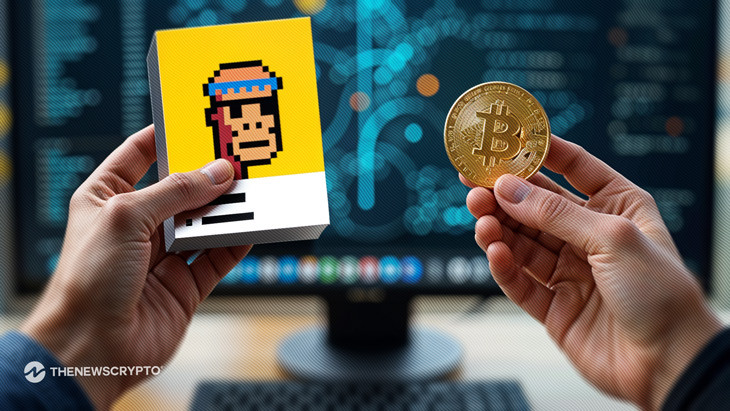
Nonfungible tokens (NFTs) have revolutionized the digital asset space, enabling unique representations of art, collectibles, and even real-world assets on blockchain networks. While Ethereum spearheaded the NFT revolution, Bitcoin has recently joined the fray with the introduction of Ordinals. This article explores the evolution, functionality, and distinctions between Bitcoin Ordinals and Ethereum NFTs.

The Genesis of NFTs and Bitcoin Ordinals

The concept of NFTs dates back to 2014 with the creation of “Quantum” on the Namecoin blockchain. Despite this early attempt, it was Ethereum that propelled NFTs into mainstream adoption. Ethereum’s robust smart contract capabilities, coupled with the ERC-721 and ERC-1155 standards, simplified the creation, hosting, and trading of NFTs. This made Ethereum the primary blockchain for digital art, collectibles, and gaming assets.

Bitcoin, on the other hand, was initially designed as a digital payment system and lacked the structural framework to support NFTs. However, this changed in January 2023 with the introduction of Bitcoin Ordinals by Casey Rodarmor. Ordinals leverage Bitcoin’s existing capabilities, utilizing updates like Segregated Witness (SegWit) and Taproot to inscribe data directly onto individual satoshis—the smallest denomination of Bitcoin.

What Are Bitcoin Ordinals?

Bitcoin Ordinals function as native NFTs on the Bitcoin blockchain. They allow for the inscription of data, such as images or text, directly onto individual satoshis. This is achieved without the need for additional layers or smart contracts. The innovations enabling Ordinals include:

  • SegWit Update (2017): This update separated transaction and witness data, increasing block capacity and addressing transaction malleability.
  • Taproot Update (2021): Taproot enhanced Bitcoin’s security, privacy, and block size, making it possible to inscribe data on-chain more efficiently.
  • Ordinal Theory: This framework assigns sequential numbers to satoshis, enabling unique identification and inscription.

Unlike Ethereum NFTs, which often rely on off-chain storage for metadata, Ordinals store all data entirely on-chain. This ensures immutability and aligns with Bitcoin’s core principles of decentralization and security.

Ethereum NFTs: A Smart Contract Revolution

Ethereum NFTs are digital assets governed by smart contracts. These contracts follow specific standards, such as ERC-721 for unique tokens and ERC-1155 for fungible and nonfungible assets. Ethereum’s smart contract capabilities have made it a versatile and innovative platform for NFT creation and trading. Key features of Ethereum NFTs include:

  • Smart Contract Automation: Smart contracts automate processes like ownership verification and royalty distribution.
  • Off-Chain Storage: Metadata and large files are often stored off-chain using platforms like the InterPlanetary File System (IPFS), with the smart contract referencing these files.
  • Marketplace Ecosystem: A robust network of marketplaces, such as OpenSea, Rarible, and Foundation, supports the buying and selling of Ethereum NFTs.

Ethereum’s flexibility and mature ecosystem have fostered widespread adoption, making it the leading blockchain for NFTs.

Key Similarities Between Bitcoin Ordinals and Ethereum NFTs

Despite their differing technical implementations, Bitcoin Ordinals and it share several core similarities:

  1. Immutability: Both assets are immutable, ensuring their integrity and authenticity.
  2. Decentralization: Transactions and ownership are verified through decentralized networks, eliminating the need for intermediaries.
  3. Unique Identifiers: Bitcoin Ordinals assign unique identities through inscriptions on satoshis, while Ethereum NFTs use smart contracts to define uniqueness.
  4. Digital Collectibles: Both enable the creation and trade of unique digital assets, fostering creativity and innovation in the digital realm.

Differences Between Bitcoin Ordinals and Ethereum NFTs

While Bitcoin Ordinals and Ethereum NFTs share foundational principles, their technical architectures and functionalities differ significantly:

1. Technical Architecture

  • Bitcoin Ordinals: Operate directly on the Bitcoin blockchain without additional layers or smart contracts. All data is stored entirely on-chain.
  • Ethereum NFTs: Rely on smart contracts and standards like ERC-721. Metadata and large files are often stored off-chain, reducing on-chain congestion.

2. Storage Mechanism

  • Bitcoin Ordinals: Store all data on-chain, which increases transaction size and block usage.
  • Ethereum NFTs: Use off-chain storage for large files and metadata, ensuring scalability and reducing blockchain bloat.

3. Royalties

  • Bitcoin Ordinals: Do not natively support creator royalties.
  • Ethereum NFTs: Enable royalty payments through smart contracts, allowing creators to earn from secondary sales.

4. Ecosystem Maturity

  • Bitcoin Ordinals: A nascent ecosystem with limited tools and marketplace support.
  • Ethereum NFTs: A well-established ecosystem with standardized tools, developer support, and thriving marketplaces.

5. Scalability and Interoperability

  • Ethereum NFTs benefit from broader adoption, established standards, and cross-chain bridges that enhance interoperability. Bitcoin Ordinals, in contrast, are still in the early stages of ecosystem development. Emerging standards like BRC-721E aim to bridge the gap between Bitcoin Ordinals and Ethereum NFTs.

The Future of Bitcoin Ordinals and Ethereum NFTs

The integration of emerging technologies, such as artificial intelligence (AI) and cross-chain functionality, promises exciting developments for both ecosystems. Some notable trends include:

1. AI-Generated Content

AI is increasingly being used to create unique digital assets, including music, videos, and artwork. This trend is likely to influence both Bitcoin Ordinals and Ethereum NFTs, expanding the scope of digital collectibles.

2. Cross-Chain Interoperability

Standards like BRC-721E aim to bridge the gap between Bitcoin and Ethereum, enabling seamless asset transfers across networks. This will enhance liquidity and accessibility, fostering collaboration between the two ecosystems.

3. Real-World Asset Tokenization

Both Ordinals and Ethereum NFTs are exploring ways to tokenize real-world assets, such as real estate, art, and financial instruments. This innovation could revolutionize asset management by increasing liquidity and democratizing access.

4. Ecosystem Expansion

As Bitcoin Ordinals gain traction, their ecosystem is expected to grow, with more marketplaces, tools, and applications emerging. Ethereum’s ecosystem, already robust, will likely continue to innovate, introducing new standards and use cases.

Conclusion

Bitcoin Ordinals and Ethereum NFTs represent two distinct approaches to digital collectibles. Ethereum’s mature ecosystem, with its smart contract capabilities and developer support, has established it as the go-to platform for NFTs. In contrast, Bitcoin Ordinals offer a novel, fully on-chain alternative that leverages Bitcoin’s security and decentralization.

As both ecosystems evolve, they are likely to coexist, each catering to unique use cases and audiences. With advancements in technology, cross-chain interoperability, and AI integration, the future of digital art and collectibles promises to be more inclusive and dynamic than ever.

Share. Facebook Twitter Pinterest LinkedIn Tumblr Email
NBTC

Related Posts

OpenSea token delay highlights tough conditions for 2026 NFT airdrop cycle

18/03/2026

The Solana NFT Marketplace at a Crossroads

15/03/2026

Top NFT Sales of the Week, Flying Tulip Sale Tops

15/03/2026

Pudgy Penguins ($PENGU) Dominates the Top NFT Projects by Social Activity

13/03/2026
Add A Comment

Comments are closed.

Top Posts
Get Informed

Subscribe to Updates

Get the latest news from NBTC regarding crypto, blockchains and web3 related topics.

Your source for the serious news. This website is crafted specifically to for crazy and hot cryptonews. Visit our main page for more tons of news.

We're social. Connect with us:

Facebook X (Twitter) LinkedIn RSS
Top Insights

Amundi tokenized fund SAFO signals adoption of on-chain asset management

20/03/2026

Evegny Gokhberg: Market neutral DeFi strategies are essential for volatility, why diversification isn’t enough to manage risks, and the future of capital in DeFi

20/03/2026

Ethereum price outlook as network activity reaches record levels

20/03/2026
Get Informed

Subscribe to Updates

Get the latest news from NBTC regarding crypto, blockchains and web3 related topics.

Type above and press Enter to search. Press Esc to cancel.