
Close Menu
  • Coins
    • Bitcoin
    • Ethereum
    • Altcoins
    • NFT
  • Blockchain
  • DeFi
  • Metaverse
  • Regulation
  • Other
    • Exchanges
    • ICO
    • GameFi
    • Mining
    • Legal
  • MarketCap
What's Hot

Alchemy Pay and Japan Open Chain Partner for Making Global Fiat Onboarding Easy for JOC Coin

23/01/2026

4AI x GAEA Collaboration Aims to Lower Barriers in Decentralized AI Development

23/01/2026

Ethereum (ETH) Reversal Pattern Hints at $3.6K Rally Soon

23/01/2026
Facebook X (Twitter) Instagram
  • Back to NBTC homepage
  • Privacy Policy
  • Contact
X (Twitter) Telegram Facebook LinkedIn RSS
NBTC News
  • Coins
    1. Bitcoin
    2. Ethereum
    3. Altcoins
    4. NFT
    5. View All

    Price Breaks All-Time High Record Again – Here’s What We Know

    04/08/2025

    Bitcoin Switzerland? El Salvador to Host First Fully Native Bitcoin Capital Markets

    04/08/2025

    Bitcoin Breaks $119K, but XLM and HBAR Aren’t Impressed by Its Meager Percentage Gain

    04/08/2025

    High-Stakes Consolidation Could Define Q3 Trend

    04/08/2025

    Ethereum (ETH) Reversal Pattern Hints at $3.6K Rally Soon

    23/01/2026

    BitMine’s staked Ether reaches 1.5M, equating to 4% of total staked

    23/01/2026

    Why Ethereum Could Be Ready to Outperform Bitcoin in 2026

    23/01/2026

    How Ethereum Blockspace is Becoming a Traded Market

    23/01/2026

    The Sui Ecosystem’s Top 3 Altcoin Performers

    29/07/2025

    Floki Launches $69000 Guerrilla Marketing Challenge With FlokiUltras3

    28/07/2025

    Crypto Beast denies role in Altcoin (ALT) crash rug pull, blames snipers

    28/07/2025

    $1.6 Billion XRP Surge: Here’s What’s Unfolding

    28/07/2025

    How to Find NFT Giveaways

    21/01/2026

    Siu’s personal NFT portfolio drops nearly 80% 

    20/01/2026

    PENGU and APE Dominate NFT Social Engagement as Community Activity Indicates Market Strength

    20/01/2026

    Magic Eden co-founder sees ‘speculation supercycle’ ahead

    20/01/2026

    Alchemy Pay and Japan Open Chain Partner for Making Global Fiat Onboarding Easy for JOC Coin

    23/01/2026

    4AI x GAEA Collaboration Aims to Lower Barriers in Decentralized AI Development

    23/01/2026

    Ethereum (ETH) Reversal Pattern Hints at $3.6K Rally Soon

    23/01/2026

    Entrée Capital Introduces $300M Fund With Focus on AI Agents, DePIN

    23/01/2026
  • Blockchain

    4AI x GAEA Collaboration Aims to Lower Barriers in Decentralized AI Development

    23/01/2026

    Render Network director says DePIN could ease AI bottlenecks

    22/01/2026

    nBASIS Vault Connects with Gate DEX Wallet for Seamless RWA Yield Access

    22/01/2026

    Zetarium Joins Duck Chain to Bolster AI-Driven On-Chain Web3 Experiences

    22/01/2026

    Abstract Chain Soars into Top 10 Blockchain Revenue Rankings, Surpassing Avalanche and Near

    22/01/2026
  • DeFi

    DeFi Maturation: 2020 vs. 2025

    23/01/2026

    1inch–Rewardy deal kills gas tokens for DeFi swaps on 5 chains

    23/01/2026

    Maple brings syrupUSDC to Base, targets Aave V3 listing

    23/01/2026

    TRON Founder Justin Sun Announces Investment in Decentralized Finance (DeFi) Project!

    23/01/2026

    Trump-linked World Liberty Financial partners with Spacecoin on satellite-powered DeFi

    23/01/2026
  • Metaverse

    Meta to cut 10% of metaverse arm this week amid AI push: Report

    13/01/2026

    Yuga Labs Acquires Otherside Creator Platform From Improbable

    27/12/2025

    Meta CEO Mark Zuckerberg Made a Decision That Will Deeply Affect Metaverse Projects! Here Are the Details

    05/12/2025

    Meta Plans 30% Cut to Metaverse Budget as Reality Becomes Less Virtual: Bloomberg

    04/12/2025

    Cambridge Institute Joins InfblueNFT to Transform Digital Communication

    21/11/2025
  • Regulation

    Entrée Capital Introduces $300M Fund With Focus on AI Agents, DePIN

    23/01/2026

    UK-Based Company Hamak Strategy Completes New Financing Round to Acquire Bitcoin! Details Here

    23/01/2026

    ING Flags Upside Potential in 10-Year U.S. Treasury Yield

    23/01/2026

    Kevin Hassett Sparks a Crypto–Bond Market Split as Fed Race Heats Up

    23/01/2026

    Fed Rate Cuts and QT End Set Crypto Up for 2026 Tailwind

    23/01/2026
  • Other
    1. Exchanges
    2. ICO
    3. GameFi
    4. Mining
    5. Legal
    6. View All

    Alchemy Pay and Japan Open Chain Partner for Making Global Fiat Onboarding Easy for JOC Coin

    23/01/2026

    InterLink and Hpx Unveil InterLink Visa Card to Regulate Crypto in Daily Life

    23/01/2026

    Vietnam pilots strict licensing regime for crypto exchanges

    23/01/2026

    Bitcoin utility blockchain VerifiedX debuts ‘Venmo-for crypto’ payment app Butterfly

    23/01/2026

    South Korea Poised to Lift Ban on Domestic ICOs After 7 Years

    19/12/2025

    Why 2025’s Token Boom Looks Both Familiar and Dangerous

    31/10/2025

    ICO for bitcoin yield farming chain Corn screams we’re so back

    22/01/2025

    Why 2025 Will See the Comeback of the ICO

    26/12/2024

    ‘PGA Tour Rise’ Mobile Golf Game to Launch on Skale’s Base Network

    22/01/2026

    GameFi Tokens Axie Infinity, The Sandbox Defy Crypto’s Bearish Trend

    21/01/2026

    PRIME Joins FishWar to Advance AI-Driven GameFi Innovation via SEI Network

    21/01/2026

    GameFi Narrative Is Finally Showing Signs of Life — These 3 Tokens Lead The Way

    21/01/2026

    AI Inherits Bitcoin Mining’s Hard Lesson – Locals Matter

    23/01/2026

    Bitdeer leapfrogs MARA as top Bitcoin miner by hashrate and AI pivot

    23/01/2026

    Bitcoin miners brace for massive ice storm barreling towards southern US

    23/01/2026

    Kingsport City leaders advance Bitcoin mining and data center regulation

    23/01/2026

    Bitcoin Policy Institute, Fedi, Cornell to study American views on financial privacy

    23/01/2026

    US Crypto Bill Expands CFTC Authority Over Digital Assets

    23/01/2026

    Crypto Advocate Bill Morgan Shares Big Take on XRP as New FUD Emerges

    23/01/2026

    Will yield-bearing stablecoins force banks into the crypto industry? David Sacks offers new insights

    23/01/2026

    Alchemy Pay and Japan Open Chain Partner for Making Global Fiat Onboarding Easy for JOC Coin

    23/01/2026

    4AI x GAEA Collaboration Aims to Lower Barriers in Decentralized AI Development

    23/01/2026

    Ethereum (ETH) Reversal Pattern Hints at $3.6K Rally Soon

    23/01/2026

    Entrée Capital Introduces $300M Fund With Focus on AI Agents, DePIN

    23/01/2026
  • MarketCap
NBTC News
Home»Mining»AI Inherits Bitcoin Mining’s Hard Lesson – Locals Matter
Mining

AI Inherits Bitcoin Mining’s Hard Lesson – Locals Matter

NBTCBy NBTC23/01/2026No Comments5 Mins Read
Share
Facebook Twitter LinkedIn Pinterest Email


For much of the past decade, bitcoin miners expanding across the United States learned that access to cheap power and industrial land did not guarantee social license. After China’s 2021 mining ban pushed activity stateside, projects in New York, Texas, Arkansas and Kentucky were met with complaints over noise, power prices and environmental impact—often after local residents realized how little say they had in the decision-making process.

This article first appeared in Miner Weekly, Blocksbridge Consulting’s weekly newsletter curating the latest news in bitcoin mining and data analysis from Theminermag.

Now, the U.S. AI compute boom is running into a familiar obstacle.

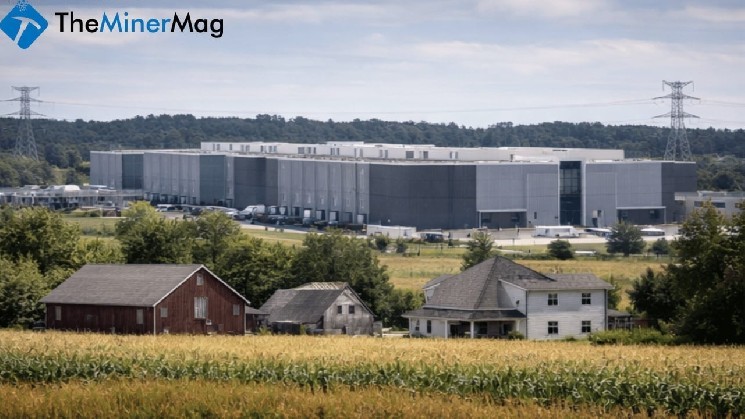
As hyperscalers and AI developers race to secure power-dense data center capacity, community resistance is emerging as a material constraint, echoing the pushback that once slowed, reshaped or outright stopped bitcoin mining projects.

Across the country, local governments and residents are no longer waiting passively for assurances that AI infrastructure will be different.

From crypto backlash to AI scrutiny

The migration of bitcoin mining to the U.S. revealed a recurring pattern: large, energy-intensive facilities promised jobs and tax revenue, but do not always deliver long-term employment while introducing new stresses on local grids and land use.

AI data centers—despite being quieter and more politically palatable—are now triggering many of the same concerns.

In Texas, Illinois, Georgia and Mississippi, local news outlets have reported packed hearings, zoning disputes and calls for moratoriums as residents question water consumption, backup generation, transmission upgrades and whether rising electricity costs will ultimately be passed on to households.

This week, commissioners in Thomas County, Georgia, voted to temporarily halt new AI data center developments while officials study the long-term impacts on infrastructure and public services. The move reflects a growing trend: communities are slowing approvals not to reject AI outright, but to avoid being locked into consequences they do not yet fully understand.

Industry trackers estimate that $64 billion in U.S. data center projects have already been delayed or blocked by local opposition—an increasingly hard figure for investors to ignore.

Big Tech responds: “paying its own way”

The industry response is starting to change.

Earlier this month, Microsoft rolled out its “Community-First AI Infrastructure” framework, pledging that its data centers would cover the full cost of new generation, transmission and grid upgrades rather than shifting those expenses onto residential ratepayers. The company also committed to water replenishment, transparency and workforce investment in host communities.

Now, OpenAI has taken a similar stance.

OpenAI has committed to “paying its own way” for energy costs tied to its AI data center expansion, signaling that the company recognizes community acceptance and power-market credibility as strategic priorities—not afterthoughts. The move aligns OpenAI more closely with utilities and regulators wary of socializing infrastructure costs driven by private AI demand.

For veterans of the bitcoin mining sector, the language is familiar. Miners that survived local pushback often did so only after renegotiating power contracts, investing in mitigation measures or agreeing to clearer community benefit structures—frequently after costly delays.

There are, however, important operational differences. Bitcoin miners, by design, can curtail power usage or shut down entirely during periods of peak demand or extreme weather, allowing utilities to rebalance load in real time. In several U.S. markets, this flexibility has been used as a grid-management tool, with miners participating in demand-response programs that reduce strain during emergencies. Proponents argue this has helped offset infrastructure costs by supporting grid expansion while lowering energy prices for residential customers during peak periods. AI data centers, by contrast, are built to serve continuous computing workloads and are generally less amenable to rapid curtailment, limiting their usefulness as flexible load in times of grid stress.

Policymakers draw firmer lines

State governments are also recalibrating.

New York Governor Kathy Hochul has proposed stricter safeguards to ensure large data centers pay higher charges tied to grid upgrades and reliability. While framed as a consumer-protection measure, the policy is inseparable from surging AI-driven electricity demand.

New York’s posture is shaped by experience. The state spent years navigating backlash against bitcoin mining facilities, particularly those tied to fossil-fuel generation. AI data centers may wear a different label, but from a grid-planning perspective, they pose many of the same challenges: large, inflexible loads seeking rapid interconnection.

For bitcoin miners pivoting toward AI or HPC colocation, the implications are significant.

Capital markets have largely rewarded AI data center narratives with higher multiples and cheaper capital, often assuming smoother permitting and stronger political support than crypto mining ever enjoyed. Community resistance complicates that thesis.

The AI compute boom is real. The power demand behind it is even more real. But local consent—long treated as a secondary consideration—is reasserting itself as a gating factor.

Bitcoin mining learned this lesson the hard way after 2021. AI infrastructure builders are now discovering that, even in the age of trillion-dollar valuations, local communities may still not buy it.

This article is from Theminermag, a trade publication for the cryptocurrency mining industry, focusing on the latest news and research on institutional bitcoin mining companies. The original article can be viewed here.

Share. Facebook Twitter Pinterest LinkedIn Tumblr Email
NBTC

Related Posts

Bitdeer leapfrogs MARA as top Bitcoin miner by hashrate and AI pivot

23/01/2026

Bitcoin miners brace for massive ice storm barreling towards southern US

23/01/2026

Kingsport City leaders advance Bitcoin mining and data center regulation

23/01/2026

GoMining, Jacob & Co. Debut $40K Luxury Bitcoin Watch Paired With ‘Digital Miner’

22/01/2026
Add A Comment

Comments are closed.

Top Posts
Get Informed

Subscribe to Updates

Get the latest news from NBTC regarding crypto, blockchains and web3 related topics.

Your source for the serious news. This website is crafted specifically to for crazy and hot cryptonews. Visit our main page for more tons of news.

We're social. Connect with us:

Facebook X (Twitter) LinkedIn RSS
Top Insights

Alchemy Pay and Japan Open Chain Partner for Making Global Fiat Onboarding Easy for JOC Coin

23/01/2026

4AI x GAEA Collaboration Aims to Lower Barriers in Decentralized AI Development

23/01/2026

Ethereum (ETH) Reversal Pattern Hints at $3.6K Rally Soon

23/01/2026
Get Informed

Subscribe to Updates

Get the latest news from NBTC regarding crypto, blockchains and web3 related topics.

Type above and press Enter to search. Press Esc to cancel.